Cerebrovascular Surgery in Nagpur at Kakani's Brain Spine and Dental Super Speciality Clinic
Cerebrovascular surgery involves medical procedures that treat conditions affecting blood vessels in the brain. These conditions include aneurysms, arteriovenous malformations, and blocked arteries. Consequently, surgery aims to restore proper blood flow and prevent strokes or neurological damage.
Meanwhile, patients may require surgery after symptoms like sudden weakness, numbness, or difficulty speaking. Therefore, early evaluation and timely intervention are essential. Individuals experiencing persistent neurological issues should explore related neurological treatments.
Common Conditions Requiring Surgery
Cerebrovascular surgery addresses several vascular disorders. Aneurysms can rupture, causing life-threatening bleeding, while arteriovenous malformations may lead to seizures or hemorrhage. Meanwhile, narrowed arteries may restrict blood flow, increasing stroke risk.
Furthermore, blood clots or vascular tumors may also necessitate surgical intervention. Consequently, recognizing early warning signs, such as sudden headaches, dizziness, or neurological deficits, is crucial for timely medical care.
Symptoms Indicating Cerebrovascular Issues
Symptoms vary based on the affected blood vessels. Patients may experience sudden numbness, weakness on one side, slurred speech, or facial drooping. Meanwhile, severe headaches, vision disturbances, or balance issues may also occur.
Additionally, transient ischemic attacks (TIAs) may appear as brief neurological episodes. Therefore, anyone experiencing such symptoms should promptly seek evaluation to prevent potential complications and long-term brain damage.
Causes and Risk Factors Cerebrovascular Surgery
Cerebrovascular problems may arise from high blood pressure, diabetes, high cholesterol, or genetic predisposition. Lifestyle factors such as smoking, sedentary behavior, and poor diet further increase risk. Meanwhile, trauma or prior vascular conditions can also contribute.
Consequently, patient awareness, regular health check-ups, and early intervention play a critical role in preventing progression. Individuals can visit our treatment page to learn about proactive neurological care.
Diagnostic Process for Cerebrovascular Conditions
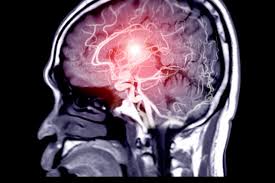
Diagnosis begins with a detailed neurological assessment and evaluation of symptoms. Doctors examine reflexes, coordination, motor skills, and cognitive responses. Meanwhile, imaging techniques such as CT angiography, MRI, or digital subtraction angiography help visualize brain vessels.
Furthermore, blood tests may evaluate risk factors like cholesterol levels and clotting tendencies. Therefore, comprehensive diagnostic evaluation ensures accurate identification of the affected vessels and surgical planning.
Impact of Cerebrovascular Conditions on Daily Life
Vascular issues in the brain can severely disrupt daily routines. Weakness, numbness, or speech difficulties may interfere with work or personal activities. Meanwhile, fatigue, dizziness, or headaches can limit mobility and independence.
Additionally, emotional stress and anxiety often accompany vascular symptoms. Consequently, early diagnosis, treatment, and ongoing support are essential to restore function and improve quality of life for affected patients.
Preventive Measures and Lifestyle Considerations
Maintaining cardiovascular health reduces the risk of cerebrovascular issues. Regular exercise, a balanced diet, controlling blood pressure, and avoiding smoking support healthy brain vessels. Meanwhile, managing diabetes and cholesterol also minimizes complications.
Furthermore, patient education about early warning signs ensures prompt medical attention. Therefore, recognizing symptoms and adopting preventive measures significantly reduces the risk of strokes and vascular emergencies.
Potential Complications Without Surgery
Untreated cerebrovascular conditions can result in stroke, permanent neurological deficits, or death. Ruptured aneurysms or severe vessel blockages may cause brain tissue damage. Meanwhile, untreated arteriovenous malformations increase the risk of seizures or hemorrhage.
Consequently, early intervention is vital. Patients experiencing neurological changes should book your consultation today for timely evaluation and preventive guidance.
Why Choose Kakani's Brain Spine and Dental Super Speciality Clinic
At Kakani’s Brain Spine and Dental Super Speciality Clinic, Dr. Kakani provides comprehensive cerebrovascular assessment and surgical care. Doctors carefully evaluate patient symptoms, imaging results, and overall health to design individualized treatment plans.
Additionally, patient education and preventive awareness are emphasized. Individuals receive guidance on recognizing early warning signs and adopting lifestyle measures to protect brain health. Consequently, patients actively participate in their care, supporting better surgical outcomes and long-term neurological health.
Long-Term Monitoring and Post-Surgery Care
After cerebrovascular surgery, long-term follow-up is essential. Doctors recommend imaging tests, neurological assessments, and lifestyle counseling to monitor recovery. Therefore, any complications or changes in vascular health can be addressed promptly.
Meanwhile, rehabilitation may include physical therapy, cognitive exercises, and patient education. Consequently, patients regain functional independence and reduce the risk of recurrence. Individuals seeking structured care can learn more about our neurological services for ongoing support.
Importance of Awareness for Cerebrovascular Health
Patient awareness is critical in preventing serious complications. Recognizing symptoms such as sudden weakness, slurred speech, or vision disturbances allows early intervention. Therefore, timely evaluation reduces the likelihood of strokes and permanent neurological damage.
Furthermore, educating families and caregivers helps monitor symptoms and provide immediate support. Consequently, awareness combined with preventive measures strengthens recovery and long-term cerebrovascular health.
Frequently Asked Questions - Cerebrovascular Surgery
1. What is cerebrovascular surgery?
Cerebrovascular surgery treats conditions affecting brain blood vessels, including aneurysms, blockages, or malformations. The goal is to restore proper blood flow and prevent strokes or neurological complications.
2. What symptoms indicate the need for cerebrovascular evaluation?
Symptoms include sudden weakness, numbness, slurred speech, severe headache, dizziness, or vision changes. Early evaluation prevents serious complications and improves treatment outcomes.
3. How is cerebrovascular disease diagnosed?
Diagnosis involves neurological examination, imaging such as MRI or CT angiography, and blood tests. These help identify affected vessels and guide surgical or medical treatment planning.
4. What are the risks if left untreated?
Untreated cerebrovascular conditions may lead to stroke, permanent neurological deficits, seizures, or death. Therefore, timely medical evaluation and intervention are critical.
5. When should I consult a doctor?
Seek immediate consultation if you experience sudden weakness, speech difficulties, vision problems, or severe headaches. Early evaluation helps prevent irreversible neurological damage.