Hydrocephalus in Nagpur at Kakani's Brain Spine and Dental Super Speciality Clinic
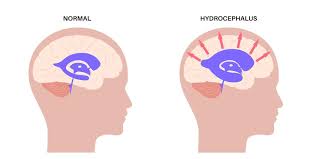
Hydrocephalus occurs when excess cerebrospinal fluid accumulates in the brain’s ventricles, causing pressure on neural tissues. Consequently, this can affect cognitive function, balance, and coordination.
Meanwhile, the condition may develop in infants, children, or adults due to congenital malformations, infections, or head injuries. Therefore, early awareness of symptoms is critical to prevent long-term neurological complications. Patients concerned about these changes should explore related neurological treatments.
Common Symptoms of Hydrocephalus
Symptoms vary depending on age and severity. Infants may present with a rapidly enlarging head, bulging fontanelles, or irritability. Meanwhile, older children and adults often experience headaches, nausea, blurred vision, and difficulty walking.
Additionally, cognitive issues such as memory loss, poor concentration, or personality changes may occur. Therefore, recognizing early warning signs and seeking medical evaluation promptly is essential to prevent worsening neurological outcomes.
Causes and Risk Factors
Hydrocephalus can result from congenital conditions, infections such as meningitis, brain tumors, or traumatic injuries. In some cases, cerebrospinal fluid absorption is impaired, causing accumulation. Consequently, patients may experience progressive neurological symptoms.
Meanwhile, premature infants, individuals with head trauma, or those with prior infections face higher risk. Therefore, patient awareness and early evaluation are essential for effective management and long-term neurological health.
Types of Hydrocephalus
Hydrocephalus is broadly classified into obstructive and communicating types. Obstructive hydrocephalus occurs when fluid flow is blocked within the brain’s ventricular system. Meanwhile, communicating hydrocephalus arises when fluid absorption is impaired.
Therefore, identifying the type guides treatment planning. Patients seeking guidance about management options can learn more about our neurological services for comprehensive understanding.
Hydrocephalus Diagnosis
Doctors begin with a detailed neurological evaluation, assessing reflexes, coordination, and cognitive responses. Furthermore, patient history helps determine underlying causes, such as trauma or infection.
Imaging studies like MRI or CT scans confirm fluid accumulation, ventricular size, and brain tissue pressure. Consequently, accurate diagnosis enables early intervention and reduces the risk of long-term brain damage.
Impact of Hydrocephalus on Daily Life
Hydrocephalus can significantly affect daily functioning. Symptoms like headache, fatigue, and impaired balance may limit routine activities. Meanwhile, cognitive challenges such as memory lapses or difficulty concentrating may affect academic or professional performance.
Moreover, emotional wellbeing may be impacted due to physical limitations. Anxiety, irritability, and frustration are common during recovery. Therefore, supportive care, lifestyle adjustments, and timely medical guidance are essential for maintaining quality of life.
Lifestyle Factors and Preventive Measures
Although some causes of hydrocephalus are congenital, certain lifestyle measures may reduce acquired risk. Protecting the head during sports or preventing infections can help. Meanwhile, managing underlying health conditions like meningitis or brain tumors is critical.
Additionally, patient education about warning signs supports early detection. Consequently, families and caregivers can act promptly, reducing the chance of severe complications and improving long-term neurological outcomes.
Complications of Untreated Hydrocephalus
If left untreated, hydrocephalus can lead to permanent neurological damage. Pressure on brain tissue may cause cognitive deficits, motor impairments, or vision problems. Meanwhile, severe cases can become life-threatening due to increased intracranial pressure.
Therefore, timely medical evaluation and ongoing monitoring are critical. Patients experiencing symptoms such as worsening headaches, gait disturbances, or memory issues should seek consultation immediately.
Why Choose Kakani's Brain Spine and Dental Super Speciality Clinic
At Kakani’s Brain Spine and Dental Super Speciality Clinic, Dr. Kakani provides thorough evaluation for hydrocephalus. Doctors assess symptoms, underlying causes, and neurological function. Therefore, care plans focus on preventing complications and improving long-term brain health.
Additionally, patient education is emphasized to identify early warning signs and understand preventive strategies. Consequently, informed patients actively participate in their treatment and monitoring, supporting faster recovery and better neurological outcomes.
Long-Term Monitoring and Rehabilitation
After treatment, long-term follow-up is essential to ensure normal cerebrospinal fluid flow and neurological function. Doctors recommend periodic imaging, cognitive assessments, and balance evaluations. Therefore, changes can be detected early and addressed promptly.
Meanwhile, rehabilitation may include physical therapy, occupational guidance, and lifestyle adjustments. Consequently, patients regain coordination, cognitive clarity, and functional independence. Those seeking specialized care can book your consultation today for a personalized treatment plan.
Importance of Awareness for Hydrocephalus
Awareness of hydrocephalus symptoms is crucial for early intervention. Recognizing signs such as headache, balance difficulties, or cognitive changes enables prompt evaluation. Therefore, early medical attention minimizes the risk of permanent neurological damage.
Additionally, family education helps caregivers support recovery and monitor changes in symptoms. Consequently, combined awareness and preventive measures strengthen recovery outcomes and overall neurological health.
Frequently Asked Questions
1. What is hydrocephalus?
Hydrocephalus is the accumulation of cerebrospinal fluid in the brain’s ventricles, causing pressure on neural tissues. It can affect balance, coordination, and cognitive function if untreated.
2. What are the common symptoms of hydrocephalus?
Symptoms include headaches, nausea, balance difficulties, blurred vision, and cognitive challenges. Infants may present with an enlarged head or irritability. Early evaluation is essential to prevent complications.
3. How is hydrocephalus diagnosed?
Doctors diagnose hydrocephalus using neurological exams and imaging tests like MRI or CT scans. These confirm fluid buildup, ventricular enlargement, and potential brain tissue pressure.
4. Can hydrocephalus be treated effectively?
Yes, treatment depends on the cause and severity. Options include surgical procedures to divert fluid or medication to manage symptoms. Early diagnosis ensures better recovery and reduced complications.
5. When should I see a doctor for hydrocephalus?
Seek medical attention if headaches, balance issues, cognitive changes, or vision disturbances persist. Early consultation allows timely intervention and reduces the risk of permanent neurological damage.