Brain Infection/Abscess in Nagpur at Kakani's Brain Spine and Dental Super Speciality Clinic
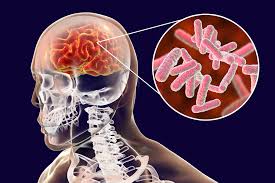
A brain infection occurs when bacteria, viruses, or fungi invade brain tissue, sometimes forming a localized abscess. Consequently, this can trigger inflammation, pressure buildup, and damage to surrounding neural structures.
Meanwhile, infections may originate from sinus infections, ear infections, or blood-borne bacteria. Therefore, early detection is critical to prevent severe neurological complications. Patients experiencing fever, headache, or confusion should explore related neurological treatments immediately.
Common Symptoms of Brain Infection
Causes and Risk Factors
Types of Brain Infection
Brain Infection Diagnosis
Diagnosis begins with detailed neurological and physical examination. Doctors evaluate reflexes, coordination, and cognitive responses. Furthermore, patient history helps identify recent infections, trauma, or immune system issues.
Imaging studies such as MRI or CT scans help visualize abscesses and inflammation. Additionally, laboratory tests detect infectious agents in blood or cerebrospinal fluid. Consequently, accurate diagnosis enables early intervention and prevents further brain damage.
Impact of Brain Abscess on Daily Life
Brain abscesses may disrupt daily activities due to physical and cognitive symptoms. Headaches, fatigue, and memory problems often affect routine work or school performance. Meanwhile, emotional distress, including anxiety or irritability, can complicate recovery.
Furthermore, neurological changes may reduce coordination or motor skills. Consequently, patients require careful monitoring and support to maintain daily functioning while undergoing treatment and rehabilitation.
Lifestyle and Preventive Measures
Preventive care helps reduce the risk of brain infections. Proper treatment of ear, sinus, and dental infections is essential. Meanwhile, maintaining strong immunity through balanced nutrition, sufficient sleep, and stress management supports overall brain health.
Additionally, vaccination against certain bacterial and viral infections can reduce risks. Therefore, patient education about early warning signs and preventive strategies is key to long-term neurological wellness.
Potential Complications of Untreated Brain Abscess
Why Choose Kakani's Brain Spine and Dental Super Speciality Clinic
At Kakani’s Brain Spine and Dental Super Speciality Clinic, Dr. Kakani and the team focus on thorough evaluation of neurological symptoms. They consider infection history, immune status, and symptom severity. Therefore, every patient receives individualized attention aimed at preventing complications.
Additionally, patient education forms a core part of care. Individuals learn to identify early signs of infection, follow preventive measures, and maintain brain health. Consequently, informed patients can actively participate in treatment and long-term neurological monitoring.
Long-Term Monitoring and Rehabilitation
Importance of Awareness for Brain Infection
If you are experiencing persistent headaches, seizures, or unexplained neurological symptoms, timely evaluation becomes important. You can book an appointment with Dr. Kakani at Kakani’s Brain Spine and Dental Super Speciality Clinic for a detailed neurological assessment and personalized guidance regarding brain health concerns.
Frequently Asked Questions
1. What is a brain abscess?
A brain abscess is a localized infection in brain tissue caused by bacteria, viruses, or fungi. It may lead to swelling, headaches, seizures, or neurological deficits. Timely diagnosis prevents severe complications.
2. What are the common symptoms of brain infection?
Symptoms include persistent headaches, fever, nausea, vomiting, confusion, or seizures. Early medical evaluation is critical to prevent worsening neurological damage and ensure proper treatment.
3. How does a brain infection occur?
Brain infections often result from untreated ear, sinus, or dental infections, trauma, or blood-borne pathogens. Consequently, infection can reach brain tissue and trigger abscess formation.
4. How is a brain abscess treated?
Treatment usually includes antibiotics or antifungal medication, sometimes combined with surgical drainage. Therefore, accurate diagnosis and early intervention are essential for complete recovery.
5. When should I see a doctor for brain infection symptoms?
Seek medical attention immediately if headaches, fever, confusion, or seizures persist. Early neurological assessment ensures timely treatment and reduces the risk of serious complications.