Spine Surgeon In Hoshangabad (Narmadapuram)
Back pain, neck pain, stiffness, and nerve-related symptoms can make everyday activities difficult. You may find it harder to sit, walk, work, exercise, or sleep comfortably. However, persistent or recurring symptoms deserve proper medical evaluation so you can understand the possible cause.
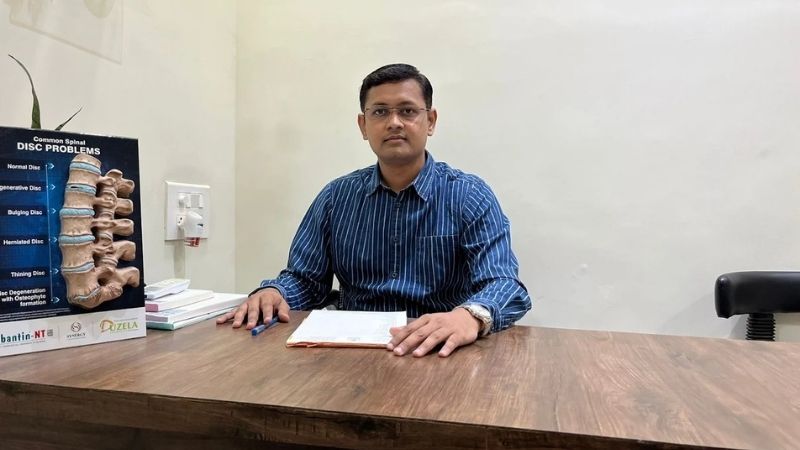
A Spine Surgeon In Hoshangabad (Narmadapuram) evaluates spinal conditions that affect the discs, vertebrae, spinal nerves, and surrounding structures. During your consultation, the specialist may review your symptoms, medical history, previous treatment, lifestyle, and scan reports. As a result, a detailed assessment can help determine the most suitable next step.
Spine problems can affect each person differently. For example, one person may experience lower back pain, while another may develop sciatica, numbness, tingling, or weakness in an arm or leg. Because of this, your specialist considers your complete symptoms before suggesting treatment.
Spine Surgeon In Hoshangabad (Narmadapuram)
What Does a Spine Surgeon Do?
A spine surgeon evaluates and treats conditions involving the spine, discs, spinal nerves, and spinal cord. First, the specialist listens to your concerns and reviews your medical history. Then, a physical and neurological examination can provide important information about your condition.
Depending on your symptoms, your doctor may review X-rays, MRI scans, CT scans, or other diagnostic reports. In addition, the specialist may consider your age, work routine, physical activity, previous injuries, and earlier treatments before creating an appropriate care plan.
A spine surgeon may evaluate:
- Herniated or slipped discs
- Sciatica
- Spinal stenosis
- Nerve compression
- Degenerative disc conditions
- Spondylolisthesis
- Spinal injuries
- Vertebral fractures
- Spinal deformities
- Cervical spine problems
- Lumbar spine conditions
As a result, a complete evaluation can help your specialist understand the source of your symptoms and decide whether you need non-surgical care or surgical assessment.
When Should You Visit a Spine Surgeon?
You should consider a consultation when back or neck pain continues, returns frequently, or interferes with your daily routine. Persistent pain can affect your work, sleep, walking, exercise, and overall comfort.
Similarly, pain that travels from your back into your buttock, arm, or leg may indicate nerve irritation or compression. Numbness, tingling, burning sensations, or weakness can also require careful medical evaluation.
However, you do not need to wait until symptoms become severe. Early assessment can help your specialist identify the possible cause and determine whether you need imaging, conservative treatment, or further evaluation.
Common Symptoms of Spine Problems
Spinal conditions can produce different symptoms depending on the affected area and underlying cause. Some people experience localized discomfort, whereas others develop symptoms that follow the path of a nerve.
Common symptoms include:
- Lower back pain
- Neck pain
- Upper back discomfort
- Shoulder pain
- Arm pain
- Leg pain
- Numbness
- Tingling
- Muscle weakness
- Stiffness
- Burning sensations
- Shooting pain
- Difficulty walking
- Reduced flexibility
Therefore, persistent or unusual symptoms should receive appropriate attention, especially when they affect your movement or daily activities.
Spine Conditions Treated by a Spine Surgeon
A Spine Surgeon In Hoshangabad (Narmadapuram) can evaluate conditions affecting the cervical, thoracic, and lumbar spine. Since several spinal disorders can create similar symptoms, your specialist may combine your medical history, physical examination, and imaging findings.
Common conditions may include:
- Slipped or herniated discs
- Bulging discs
- Sciatica
- Spinal stenosis
- Nerve compression
- Degenerative disc disease
- Spondylolisthesis
- Spinal fractures
- Spine injuries
- Selected spinal deformities
In addition, your specialist can explain whether your condition may improve with non-surgical care or whether you need a surgical opinion.
Spine Surgeon In Hoshangabad (Narmadapuram)
Slipped Disc Treatment
A slipped or herniated disc can develop when the inner material of a spinal disc moves through a weakened outer layer. Consequently, the disc may irritate a nearby nerve and cause back pain, leg pain, numbness, tingling, or weakness.
However, a slipped disc does not automatically require an operation. Depending on the severity of your symptoms, your doctor may recommend medicines, physiotherapy, exercises, activity modification, or other conservative measures.
If symptoms continue despite appropriate treatment, your specialist may recommend additional imaging or further evaluation. In selected cases, persistent nerve compression may require surgical treatment.
Sciatica Treatment
Sciatica commonly causes pain that travels from the lower back through the buttock and into the leg. Nerve irritation or compression often contributes to this pattern of discomfort.
Initially, your specialist may recommend non-surgical treatment when appropriate. Medicines, physiotherapy, exercises, and activity adjustments can form part of your care plan.
If the symptoms remain persistent or neurological problems develop, your doctor can investigate the underlying spinal condition. As a result, treatment can focus on the specific cause rather than simply managing the pain.
Minimally Invasive Spine Surgery
Modern spine surgery includes minimally invasive techniques for selected spinal conditions. These procedures use specialized instruments and smaller access points to reach the affected area.
For suitable patients, minimally invasive approaches may reduce disruption to surrounding tissues. However, this technique does not suit every condition, so proper patient selection remains important.
Your Spine Surgeon In Hoshangabad (Narmadapuram) can review your diagnosis, spinal anatomy, symptoms, scan reports, and general health before discussing whether a minimally invasive procedure may suit you.
Spine Surgeon In Hoshangabad (Narmadapuram)
Endoscopic Spine Surgery
Endoscopic spine surgery uses a small camera and specialized instruments through a limited access point. Surgeons may consider this approach for selected disc problems and certain nerve compression conditions.
The technique can limit tissue disruption in suitable cases. At the same time, your surgeon must consider the exact location and nature of the spinal problem before recommending this approach.
Therefore, a detailed consultation and review of your imaging reports can help determine whether endoscopic spine surgery fits your individual condition.
Spine Surgeon In Hoshangabad (Narmadapuram)
Microdiscectomy Surgery
Microdiscectomy can help selected patients who have a herniated disc that compresses a spinal nerve. During the procedure, the surgeon removes the disc material that contributes to nerve pressure.
However, not every herniated disc requires surgery. Your specialist may first recommend suitable non-surgical treatment when your symptoms and condition allow it.
If pain, numbness, or weakness continues despite appropriate care, your surgeon can review your examination and imaging findings before discussing surgical options.
Spine Surgeon In Hoshangabad (Narmadapuram)
Laminectomy Surgery
Laminectomy creates additional space for spinal nerves by removing part of the bone or tissue that contributes to spinal narrowing. Doctors may consider this procedure for selected cases of spinal stenosis.
Before recommending surgery, your specialist will review your symptoms, neurological examination, imaging findings, general health, and previous treatment.
In addition, your surgeon can explain the purpose of the procedure, possible risks, expected benefits, alternatives, and recovery requirements. This discussion can help you make an informed decision about your treatment.
NeurosuSpine Surgeon In Hoshangabad (Narmadapuram)rgeon In Amravati
Book an Appointment With a Spine Surgeon In Hoshangabad (Narmadapuram)
Persistent back or neck pain can make work, sleep, movement, and daily activities uncomfortable. However, professional evaluation can help you understand the possible cause and explore suitable treatment options.
If you are searching for a Spine Surgeon In Hoshangabad (Narmadapuram), schedule a consultation to discuss your symptoms, previous treatment, scan reports, and concerns.
Your specialist can evaluate your condition and explain whether medicines, physiotherapy, lifestyle changes, minimally invasive procedures, or surgery may suit your individual needs.
Book An Appointment
Frequently Asked Questions
Connect with Dr. Nikhil Kakani Online – Stay Informed About Brain & Spine Health