Neurosurgeon in Hoshangabad (Narmadapuram) – Expert Brain and Spine Care at Dr. Kakani’s Clinic
Neurological disorders and spinal conditions can profoundly impact a patient’s quality of life. From chronic headaches and seizures to spinal cord injuries and degenerative nerve disorders, timely evaluation and treatment are essential. Residents seeking a trusted Neurosurgeon in Hoshangabad (Narmadapuram) can rely on Dr. Kakani’s Brain Spine & Dental Super Speciality Clinic, which offers comprehensive neurological care, advanced diagnostics, minimally invasive surgeries, and holistic rehabilitation.
The brain and spinal cord are critical to overall health and mobility. Conditions such as brain tumors, spinal cord compression, nerve injuries, and traumatic injuries require early intervention. Delayed treatment may lead to permanent neurological deficits, chronic pain, or impaired function. Dr. Kakani’s clinic combines expert surgical care, cutting-edge technology, and patient-focused support to provide optimal outcomes.
Role of a Neurosurgeon
A neurosurgeon specializes in diagnosing and surgically treating disorders of the brain, spinal cord, and peripheral nerves. These include tumors, trauma, congenital anomalies, degenerative conditions, and nerve injuries.
The evaluation process begins with a detailed clinical assessment, including medical history, physical and neurological examinations. Reflexes, coordination, muscle strength, sensory responses, and cognitive function are carefully assessed.
Once the assessment is complete, the neurosurgeon recommends a treatment plan balancing non-surgical and surgical approaches. Patients are guided through options, risks, benefits, and recovery expectations, allowing informed decisions and better adherence to care plans.
Conditions Treated by a Neurosurgeon
Neurosurgeons manage a wide spectrum of neurological conditions, including:
Brain and spinal tumors
Traumatic brain and spinal injuries
Spinal cord compression
Herniated discs and nerve root compression
Stroke and hemorrhage
Hydrocephalus
Peripheral nerve injuries
Neurodegenerative conditions such as Parkinson’s disease
Each patient is evaluated individually, considering severity, urgency, and optimal treatment. Early diagnosis and precise surgical planning reduce complications and enhance long-term outcomes.
Advanced Diagnostic Evaluation
Accurate diagnostics are essential in neurosurgery. The neurosurgeon evaluates neurological function through reflex testing, cognitive assessment, muscle strength, and sensory response.
Advanced imaging tools like MRI, CT scans, and digital X-rays provide detailed views of brain and spinal structures. Additional tests such as EEG, EMG, and nerve conduction studies help confirm complex diagnoses.
At Dr. Kakani’s Brain Spine & Dental Super Speciality Clinic, comprehensive diagnostics form the foundation of personalized treatment plans, reducing surgical risk and improving outcomes.
Non-Surgical Management
Many neurological conditions respond to non-surgical therapies. Treatments are tailored to the patient’s condition and severity of symptoms.
Common non-surgical approaches include:
Medications for pain, inflammation, or seizures
Physiotherapy and rehabilitation
Lifestyle modifications and ergonomic guidance
Cognitive and occupational therapy
Nerve blocks and minimally invasive procedures
Early intervention with non-surgical treatments can slow disease progression, relieve symptoms, and sometimes avoid surgery entirely. Regular monitoring ensures effectiveness and allows timely adjustments.
Minimally Invasive Neurosurgery
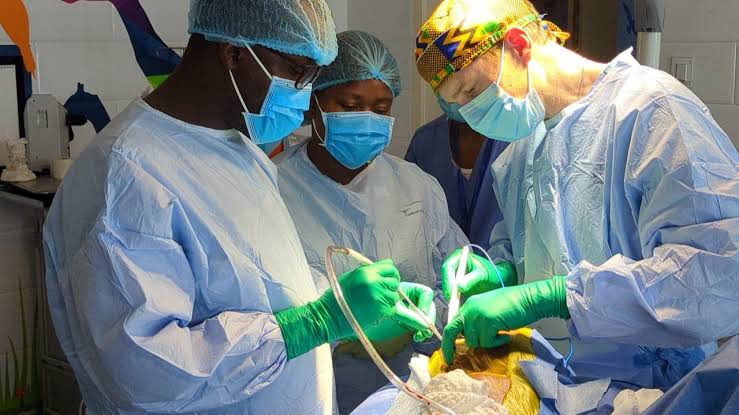
When surgery is required, modern neurosurgery prioritizes minimally invasive techniques to reduce tissue damage, bleeding, and recovery time.
Procedures such as microdiscectomy, endoscopic spinal surgery, tumor excision, and nerve decompression allow precise interventions with minimal disruption to healthy tissue. Real-time imaging and advanced instruments enhance accuracy and safety.
Minimally invasive surgery results in smaller incisions, shorter hospital stays, reduced pain, and faster return to normal activity. Personalized surgical planning ensures each patient receives the safest and most effective treatment.
Brain Tumor Surgery
Brain tumors can cause headaches, seizures, vision changes, or cognitive difficulties. Early diagnosis through imaging and neurological evaluation is critical.
Surgical removal targets tumor elimination while preserving healthy tissue. Advanced imaging and intraoperative monitoring minimize risks. Postoperative rehabilitation is essential to restore neurological function and monitor for recurrence.
Regular follow-ups and imaging studies ensure early detection of any changes, optimizing long-term recovery and quality of life.
Spinal Surgery and Nerve Decompression
Spinal cord compression or nerve entrapment can lead to pain, weakness, or reduced mobility. Conditions such as herniated discs, spinal stenosis, or trauma require careful evaluation.
Surgical procedures, including decompression and spinal fusion, relieve pressure on nerves, restore alignment, and stabilize the spine. Preoperative assessment of spinal biomechanics and neurological function helps determine the safest approach.
Postoperative care, physiotherapy, and ongoing monitoring aid recovery, improve function, and prevent complications.
Management of Traumatic Injuries
Traumatic brain and spinal injuries require urgent attention. Symptoms may include loss of consciousness, severe headaches, limb weakness, or paralysis.
The neurosurgeon uses advanced imaging to assess injury severity. Emergency surgical intervention may relieve pressure, repair fractures, or stabilize the spine.
Timely treatment reduces long-term neurological deficits and enhances survival and functional recovery. Structured rehabilitation supports mobility, strength, and independence.
Stroke and Emergency Neurological Care
Strokes and other neurological emergencies require rapid intervention. Early diagnosis and treatment can prevent permanent damage.
The neurosurgeon evaluates symptoms, performs imaging, and provides urgent care such as clot removal or pressure relief. Post-stroke rehabilitation focuses on regaining mobility, speech, and cognitive function.
Prompt management significantly improves outcomes and reduces long-term disability.
Pediatric Neurology
Children may experience epilepsy, cerebral palsy, developmental delays, or other neurological conditions. Early evaluation and treatment are critical for proper growth and development.
The neurosurgeon conducts age-appropriate assessments and develops individualized treatment plans, including therapy, medications, or surgery if necessary. Long-term monitoring ensures optimal neurological health.
Why Choose Dr. Kakani’s Clinic in Hoshangabad (Narmadapuram)?
Patients choose Dr. Kakani’s Brain Spine & Dental Super Speciality Clinic for:
Comprehensive neurological evaluation and imaging
Expertise in minimally invasive and complex neurosurgeries
Personalized treatment planning
Modern diagnostic facilities
Structured rehabilitation programs
Transparent communication and compassionate care
The clinic combines skill, technology, and ethical practice to deliver effective and safe neurological care.
How to Book a Consultation
Conclusion
Neurological and spinal disorders can affect daily functioning, mobility, and overall health. Early consultation with a qualified Neurosurgeon in Hoshangabad (Narmadapuram) ensures accurate diagnosis, timely intervention, and better long-term outcomes.
At Dr. Kakani’s Brain Spine & Dental Super Speciality Clinic, patients receive individualized care that integrates advanced diagnostics, minimally invasive surgery, non-surgical management, and structured rehabilitation. Early intervention restores neurological function, reduces complications, and improves quality of life.
Frequently Asked Questions (FAQs)
1. When should I consult a neurosurgeon?
See a neurosurgeon for severe headaches, seizures, numbness, weakness, or after head or spinal injuries.
2. What conditions does a neurosurgeon treat?
They treat brain tumors, spinal cord compression, nerve injuries, stroke, epilepsy, and degenerative neurological disorders.
3. Can neurological problems be managed without surgery?
Yes. Many conditions respond to medication, physiotherapy, and lifestyle modifications. Surgery is only recommended when necessary.
4. How long is recovery after neurosurgery?
Recovery depends on the type of surgery and severity. Minimally invasive procedures generally allow faster healing and restored function.
5. Where can I consult a neurosurgeon in Hoshangabad (Narmadapuram)?
You can visit Dr. Kakani’s Brain Spine & Dental Super Speciality Clinic for expert evaluation, treatment, and rehabilitation.
Connect with Dr. Nikhil Kakani Online – Stay Informed About Brain & Spine Health