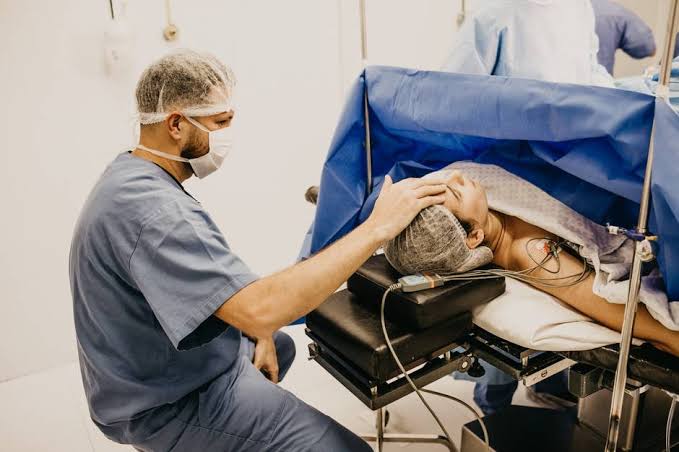
Neurosurgeon In Bhandara
Brain, spine, and nerve-related problems can affect much more than physical comfort. They can change the way you walk, work, sleep, think, move, or enjoy everyday life. Moreover, symptoms such as persistent headaches, back pain, numbness, weakness, seizures, or balance problems can have different causes. Therefore, people searching for a Neurosurgeon In Bhandara should consider a detailed evaluation rather than relying on self-diagnosis.
An experienced neurosurgeon can assess your symptoms, medical history, neurological findings, and relevant imaging before suggesting treatment. In addition, treatment does not always mean surgery. Many patients may benefit from medicines, observation, rehabilitation, or other specialist care. However, some conditions require timely surgical evaluation. As a result, personalized diagnosis can help you understand your condition and choose the next appropriate step.
Neurosurgeon In Bhandara
Why Early Neurosurgical Evaluation Matters
Neurological symptoms can sometimes develop slowly and become part of your daily routine before you realize how much they affect you. Moreover, recurring headaches, back pain, numbness, weakness, or balance problems should not always be treated as ordinary discomfort. Therefore, an early consultation can help identify whether the symptoms involve the brain, spine, spinal cord, or nerves.
A neurosurgeon can review how your symptoms started, what makes them better or worse, and how they affect your daily activities. In addition, the specialist can examine your strength, sensation, reflexes, coordination, and movement. However, the need for advanced treatment depends on the actual diagnosis. As a result, early assessment can provide clarity and help you avoid unnecessary delays.
Comprehensive Neurosurgical Care In Bhandara
Modern neurosurgical care involves much more than performing an operation. Moreover, effective treatment often begins with detailed diagnosis, careful imaging review, and discussion of all available options. Therefore, your neurosurgeon may recommend conservative treatment when surgery does not offer the best solution.
Your care may include medication, physiotherapy, rehabilitation, observation, injections in selected situations, or surgical treatment when clinically necessary. In addition, complex conditions may require coordination between neurosurgeons, neurologists, oncologists, radiologists, physiotherapists, and other specialists. As a result, a coordinated approach can address your condition from multiple clinical perspectives.
When Should You Consult A Neurosurgeon?
You do not need to wait until symptoms become severe before seeking professional advice. Moreover, persistent neurological symptoms can interfere with work, sleep, mobility, and independence. Therefore, consider a neurosurgical consultation if you experience:
- Persistent or severe headaches
- Back or neck pain with neurological symptoms
- Numbness or tingling
- Muscle weakness
- Difficulty walking
- Loss of balance
- Repeated falls
- Seizure-like episodes
- Pain spreading into an arm or leg
- Progressive changes in sensation
- Symptoms following significant head or spine trauma
- Persistent symptoms despite previous treatment
sudden weakness, loss of consciousness, severe head trauma, sudden difficulty speaking or walking, or new bladder or bowel problems require urgent medical attention.
Brain And Spine Neurosurgery
Neurosurgery covers conditions affecting both the brain and spinal structures. Moreover, the symptoms of brain and spine disorders can sometimes overlap, which makes accurate diagnosis especially important. Therefore, your specialist may evaluate headaches, seizures, brain tumors, spinal disorders, nerve compression, spinal cord problems, and selected traumatic injuries.
The treatment plan depends on the location, severity, and nature of the condition. In addition, modern imaging can help surgeons understand complex anatomy before treatment. However, technology alone cannot determine the right procedure. As a result, experienced clinical judgment remains central to every neurosurgical decision.
Neurosurgeon In Bhandara
Spine And Spinal Cord Conditions
The spine protects the spinal cord and supports movement throughout the body. Moreover, disc problems, spinal narrowing, tumors, injuries, and degeneration can affect spinal nerves or the spinal cord. Therefore, symptoms such as weakness, numbness, severe back pain, or difficulty walking may require specialized evaluation.
A neurosurgeon can assess your symptoms, neurological function, and imaging findings to understand the problem. In addition, treatment may include physiotherapy, medication, activity modification, injections, or surgery when appropriate. As a result, targeted treatment can focus on the underlying spinal condition rather than only managing symptoms.
Herniated Disc Treatment
A herniated disc can place pressure on nearby nerves and cause pain, tingling, numbness, or weakness. Moreover, symptoms can affect the neck, back, arms, legs, or feet depending on the affected spinal level. Therefore, your specialist may recommend imaging such as MRI when it can provide useful information about the disc and surrounding nerves.
Many patients improve with conservative treatment. In addition, physiotherapy and activity modification can support recovery when appropriate. However, persistent nerve compression or progressive neurological problems may require surgical evaluation. As a result, your neurosurgeon can determine whether surgery or non-surgical care better suits your condition.
Endoscopic Spine Surgery
Endoscopic spine surgery uses an endoscope and specialized instruments through a small access point. Surgeons may consider this technique for selected disc problems and certain nerve compression conditions.
The approach can limit tissue disruption in suitable cases. Still, careful patient selection remains important when choosing this treatment.
Your Spine Surgeon In Yavatmal can review your symptoms and imaging reports and explain whether endoscopic treatment may suit your condition.
Neurosurgeon In Bhandara
Microdiscectomy Surgery
Microdiscectomy can treat selected herniated discs that compress a spinal nerve. During the procedure, the surgeon removes the disc material responsible for nerve pressure.
Some suitable patients may experience improvement in nerve-related symptoms after treatment. However, not every herniated disc requires surgery.
Your specialist can assess your symptoms, neurological findings, imaging reports, and response to conservative treatment before discussing microdiscectomy.
Neurosurgeon In Bhandara
Spinal Stenosis Treatment
Spinal stenosis occurs when the space around the spinal cord or nerves becomes narrower. Moreover, age-related changes, disc degeneration, arthritis, and bone growth can contribute to spinal narrowing. Therefore, patients may experience back pain, leg pain, numbness, weakness, or difficulty walking.
Your neurosurgeon can evaluate your symptoms and imaging to understand the severity and location of spinal narrowing. In addition, conservative treatment may help selected patients. However, significant nerve compression or progressive symptoms may require decompression surgery. As a result, individualized evaluation remains important before selecting treatment.
Neurosurgeon In Bhandara
Spine Tumor Evaluation And Treatment
Spinal tumors can affect the vertebrae, spinal cord, nerves, or surrounding tissues. Moreover, symptoms may include persistent pain, weakness, numbness, or changes in walking ability. Therefore, unexplained or progressive symptoms may require detailed imaging and specialist evaluation.
Treatment depends on the tumor type, location, size, and effect on nearby structures. In addition, care may involve surgery, radiation, medicines, or coordinated cancer treatment. However, not every spinal tumor requires the same approach. As a result, multidisciplinary planning can help create a treatment strategy that considers both disease control and neurological function.
Neurosurgeon In Bhandara
Book An Appointment With A Neurosurgeon In Bhandara
Persistent headaches, back pain, neck pain, numbness, weakness, or walking difficulties can affect your quality of life. Moreover, timely evaluation can help identify the underlying problem and explain suitable treatment options. Therefore, if you are searching for a Neurosurgeon In Bhandara, schedule a consultation with an experienced neurosurgeon for a detailed assessment.
In addition, bring your previous X-rays, MRI or CT reports, prescriptions, discharge summaries, and medical records when available. However, seek urgent medical attention for sudden neurological symptoms or serious head or spine injuries. As a result, professional guidance can help you understand your condition and plan the next appropriate step. Book An Appointment
Frequently Asked Questions
Connect with Dr. Nikhil Kakani Online – Stay Informed About Brain & Spine Health