Neurosurgeon In Chandrapur
Brain, spine, and nerve-related problems can affect movement, memory, balance, strength, speech, and everyday independence. Moreover, symptoms such as severe headaches, seizures, numbness, weakness, dizziness, or persistent back and neck problems can sometimes require specialist attention. Therefore, people searching for a Neurosurgeon In Chandrapur should seek a detailed evaluation instead of relying only on temporary symptom relief. In addition, an experienced neurosurgeon can assess your neurological symptoms, medical history, physical findings, and relevant imaging. However, not every neurological condition requires surgery. As a result, personalized diagnosis can help you understand your condition and choose an appropriate treatment pathway.
The brain and spinal cord control movement, sensation, memory, coordination, and essential body functions. However, injuries, tumors, degenerative disorders, and nerve compression can disrupt these vital processes. Because neurological conditions may worsen without timely intervention, expert care becomes essential for preserving quality of life.
What Does A Neurosurgeon Treat?
A neurosurgeon diagnoses and treats selected conditions involving the brain, spine, spinal cord, nerves, and surrounding structures. Moreover, neurosurgical problems can develop because of injuries, tumors, nerve compression, blood-vessel problems, degenerative spine conditions, or other neurological disorders. Therefore, a neurosurgeon may evaluate brain tumors, spinal disorders, slipped discs, spinal stenosis, nerve compression, traumatic injuries, and selected neurological conditions. In addition, the specialist may recommend non-surgical treatment when surgery does not provide the best option. However, treatment depends on the diagnosis and severity of the condition. As a result, a detailed consultation can help identify the most suitable approach.
Why Consult A Neurosurgeon In Chandrapur?
Neurological symptoms can sometimes affect important functions such as movement, sensation, balance, or coordination. Moreover, persistent symptoms may interfere with work, sleep, exercise, and everyday activities. Therefore, consulting a Neurosurgeon In Chandrapur can help identify the underlying cause when symptoms require specialized evaluation. In addition, your doctor can review previous reports, imaging, medications, and treatment history before recommending the next step. However, a neurosurgical consultation does not automatically mean that you need an operation. As a result, professional evaluation can provide clarity and help you understand both surgical and non-surgical options.
Symptoms That May Need Neurosurgical Evaluation
Neurological symptoms can appear suddenly or develop gradually. Moreover, certain symptoms can indicate a problem involving the brain, spine, spinal cord, or nerves. Therefore, consider specialist evaluation if you experience:
- Persistent severe headaches
- Recurrent seizures
- Unexplained weakness
- Numbness or tingling
- Difficulty walking
- Balance problems
- Persistent back or neck pain with neurological symptoms
- Loss of coordination
- Changes in sensation
- Symptoms after significant head or spinal trauma
In addition, sudden weakness, speech difficulty, loss of consciousness, or other severe neurological symptoms require urgent medical attention. As a result, prompt evaluation can help identify serious conditions.
Brain Tumor Evaluation And Treatment
Brain tumors can produce symptoms that vary according to their size, location, and effect on surrounding structures. Moreover, some patients may experience headaches, seizures, weakness, vision changes, balance problems, or other neurological symptoms. Therefore, a neurosurgeon may review MRI or other imaging to understand the location and characteristics of a suspected tumor. In addition, treatment can involve observation, medication, surgery, radiation, or other specialist care depending on the diagnosis. However, not every brain tumor requires immediate surgery. As a result, individualized evaluation remains essential.
Spine And Spinal Cord Conditions
The spine and spinal cord play important roles in movement, sensation, and neurological function. Moreover, disc problems, spinal stenosis, fractures, tumors, and other conditions can affect these structures. Therefore, a neurosurgeon may evaluate persistent back or neck symptoms accompanied by weakness, numbness, or other neurological changes. In addition, imaging such as MRI or CT can help identify structural problems when necessary. However, many spinal conditions can improve through non-surgical care. As a result, your specialist should recommend surgery only when it offers an appropriate clinical benefit.
Herniated Disc And Nerve Compression
A herniated disc can press against a nearby nerve and cause pain, numbness, tingling, or weakness. Moreover, symptoms can affect the back, neck, arm, or leg depending on the location of the disc problem. Therefore, a neurosurgeon can assess your neurological symptoms and imaging findings when nerve compression persists. In addition, physiotherapy, medication, activity modification, or other conservative treatments may help suitable patients. However, significant or persistent nerve compression may require surgical evaluation. As a result, an individualized assessment can help determine whether surgery or non-surgical care better fits your condition.
Spinal Stenosis Treatment
Spinal stenosis occurs when narrowing around the spinal canal or nerve pathways places pressure on nearby structures. Moreover, patients may experience back pain, leg pain, numbness, weakness, or difficulty walking. Therefore, a neurosurgeon can evaluate symptoms, neurological function, and imaging findings before recommending treatment. In addition, conservative treatment may help selected patients, while decompression surgery may become an option for appropriate cases. However, treatment depends on the severity and cause of the narrowing. As a result, detailed diagnosis can help guide the most suitable treatment pathway.
Spinal Cord And Nerve Compression
Compression involving the spinal cord or nerves can affect strength, sensation, balance, and movement. Moreover, symptoms may gradually worsen when the underlying condition continues to place pressure on neurological structures. Therefore, patients with persistent weakness, numbness, coordination problems, or walking difficulties should seek specialist evaluation. In addition, imaging can help the neurosurgeon understand the location and severity of compression. However, symptoms can have different causes. As a result, a complete neurological and imaging assessment can help identify appropriate treatment.
Trauma And Neurosurgical Emergencies
Head and spinal trauma can sometimes cause serious neurological problems. Moreover, accidents, falls, sports injuries, and road trauma can affect the brain, spinal cord, or surrounding structures. Therefore, severe trauma requires prompt medical assessment, particularly when a person experiences loss of consciousness, weakness, severe headache, confusion, or difficulty moving. In addition, emergency imaging may help doctors assess serious injuries. However, patients should not attempt to move someone with suspected major spinal trauma unnecessarily. As a result, timely emergency care can help reduce additional risk and support appropriate treatment.
How Does A Neurosurgeon Diagnose Your Condition?
A detailed evaluation helps the neurosurgeon understand the cause of your symptoms. Moreover, the consultation can include your medical history, symptom pattern, previous injuries, medications, and earlier treatment. Therefore, the doctor may assess strength, sensation, reflexes, coordination, balance, movement, and other neurological functions. In addition, MRI, CT, X-rays, angiography, or other investigations may provide additional information when clinically necessary. However, imaging alone cannot determine the correct treatment. As a result, your neurosurgeon combines clinical findings and diagnostic information to develop an individualized plan.
Role Of MRI And CT Scans
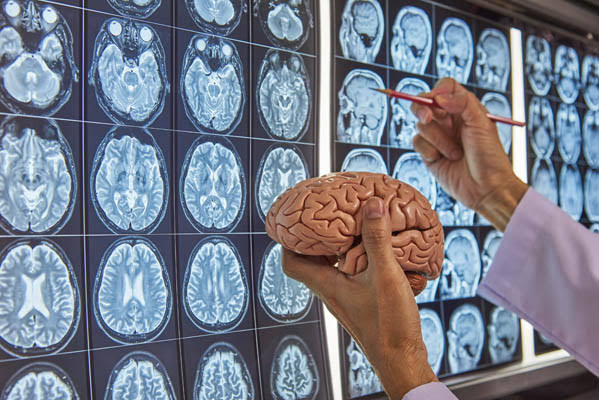
Advanced imaging can provide important information about brain and spinal conditions. Moreover, MRI can show detailed information about the brain, spinal cord, discs, nerves, and other soft tissues. Therefore, doctors may recommend MRI when they need detailed neurological or spinal information. In addition, CT scans can provide detailed information about bones and selected traumatic conditions. However, not every patient requires every imaging test. As a result, your specialist can recommend investigations according to your symptoms and clinical findings.
Non-Surgical Neurosurgical Care
A neurosurgical consultation does not always lead to surgery. Moreover, many neurological and spinal conditions can improve with appropriate conservative treatment. Therefore, your specialist may recommend:
Physiotherapy
Activity modification
Medication when clinically appropriate
Pain-management strategies
Rehabilitation
Lifestyle adjustments
Neurological monitoring
Follow-up imaging when necessary
In addition, your doctor can monitor your symptoms and modify the treatment plan according to your response. However, some conditions require closer surgical evaluation. As a result, regular follow-up can help determine when treatment needs to change.
Book An Appointment With A Neurosurgeon In Chandrapur
Persistent neurological or spinal symptoms can affect your mobility, work, sleep, and quality of life. Moreover, timely specialist evaluation can help identify the cause and explain appropriate treatment options. Therefore, if you are searching for a Neurosurgeon In Chandrapur, schedule a consultation with an experienced neurosurgeon.
In addition, bring previous MRI or CT reports, X-rays, prescriptions, and medical records if available. However, sudden weakness, loss of consciousness, speech difficulty, loss of bladder or bowel control, or severe neurological symptoms require urgent medical attention. As a result, professional guidance can help you understand your condition and plan the next appropriate step. Book An Appointment
Frequently Asked Questions (FAQs)
Connect with Dr. Nikhil Kakani Online – Stay Informed About Brain & Spine Health