Dr. Kakani's Brain Spine and Dental Super Speciality Clinic

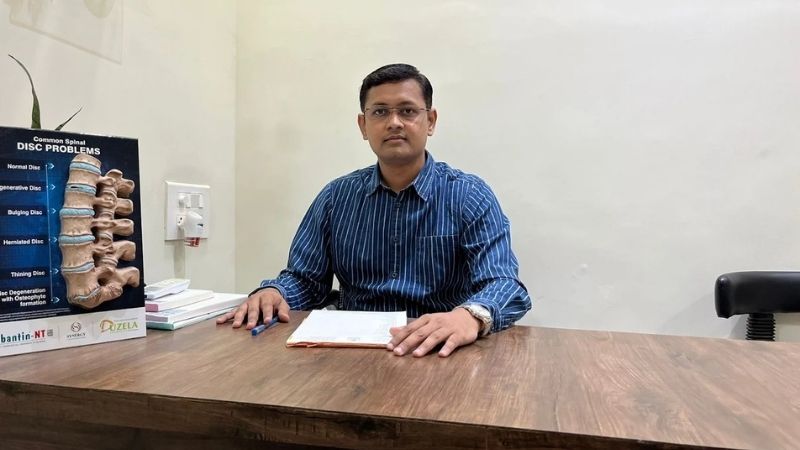
Spine Surgeon In Harda– Dr. Kakani’s Brain Spine & Dental Super Speciality Clinic

When persistent back pain starts limiting mobility, productivity drops; moreover, when nerve compression begins affecting sensation, daily life becomes difficult. Therefore, choosing an experienced spine surgeon in Harda becomes a critical decision rather than a routine consultation. At Dr. Kakani’s Brain Spine & Dental Super Speciality Clinic, patients receive structured evaluation, precise diagnosis, and evidence-based spine care under expert supervision.

Although many individuals initially ignore mild spinal discomfort, symptoms often progress over time; consequently, early consultation with a qualified spine surgeon prevents long-term complications. Instead of relying on temporary pain relief methods, patients benefit from a comprehensive assessment that identifies the root cause. Because spinal conditions directly affect nerve function, muscle strength, and posture, accurate intervention determines long-term recovery outcomes.

At this super speciality clinic, every treatment plan follows a clear clinical pathway. First, specialists assess neurological involvement; next, they evaluate structural alignment; finally, they design a targeted surgical or non-surgical approach. As a result, patients receive treatment tailored to their diagnosis rather than generic solutions.

Spine Surgeon In Harda

Advanced Diagnosis and Precision-Based Spine Evaluation

Effective spine surgery always begins with precise diagnosis; therefore, Dr. Kakani’s clinic emphasizes detailed evaluation protocols. Instead of prescribing medication without clarity, the medical team performs structured neurological examinations combined with advanced imaging analysis. Consequently, conditions such as herniated discs, spinal stenosis, degenerative disc disease, and vertebral fractures are identified accurately.

Moreover, diagnostic clarity improves surgical planning. Because spinal nerves require careful handling, even minor surgical miscalculations can affect motor or sensory pathways. Hence, pre-surgical mapping, imaging correlation, and risk stratification form an essential part of patient preparation.

Additionally, early-stage spinal disorders often present with subtle symptoms; however, expert examination detects red flags before they escalate. For instance, radiating leg pain may indicate nerve root compression, while persistent neck stiffness may signal cervical disc pathology. Therefore, structured assessment prevents delayed intervention.

Furthermore, patients receive clear explanations about their reports. Instead of overwhelming them with technical terminology, specialists break down imaging findings into understandable insights. As a result, individuals make informed decisions with confidence.

Minimally Invasive Spine Surgery for Faster Recovery

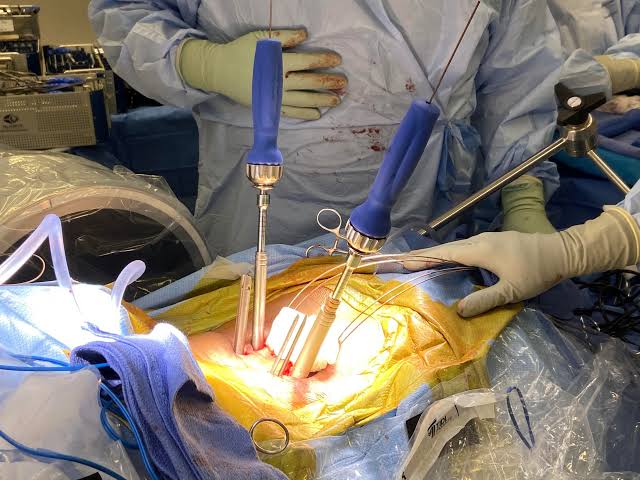
Modern spine surgery increasingly favors minimally invasive techniques; consequently, patients experience reduced tissue trauma and shorter recovery periods. At Dr. Kakani’s Brain Spine & Dental Super Speciality Clinic, minimally invasive spine surgery (MISS) plays a central role in treatment strategies.

Because smaller incisions cause less muscle disruption, patients report reduced postoperative pain. Moreover, shorter hospital stays allow quicker return to routine activities. Instead of prolonged bed rest, structured rehabilitation begins early, which improves overall outcomes.

Additionally, minimally invasive approaches reduce blood loss and lower infection risk. Therefore, surgical safety improves significantly compared to traditional open procedures in selected cases. Whether treating slipped discs, spinal instability, or nerve compression syndromes, the clinic adopts techniques aligned with global surgical standards.

Comprehensive Treatment for Common Spine Disorders

Spinal disorders vary in severity; therefore, individualized care becomes essential. At this clinic, treatment covers a wide spectrum of conditions affecting the cervical, thoracic, and lumbar regions.

Patients suffering from lumbar disc herniation often experience severe lower back pain; moreover, radiating pain into the legs may indicate sciatica. In such cases, structured evaluation determines whether conservative therapy or surgical decompression is required. Similarly, cervical spine disorders may cause neck pain, numbness in hands, or coordination issues; therefore, early intervention prevents neurological deterioration.

Degenerative spine conditions frequently affect older adults; however, younger individuals also develop spinal issues due to sedentary lifestyles. Consequently, posture correction guidance, physiotherapy integration, and lifestyle counseling accompany medical treatment.

Additionally, traumatic spine injuries demand urgent evaluation. Because spinal fractures can threaten nerve integrity, timely surgical stabilization becomes critical. Hence, the clinic emphasizes emergency preparedness alongside elective procedures.

Patient-Centered Surgical Planning and Counseling

Spine surgery often creates anxiety; therefore, transparent counseling forms an integral component of treatment. Instead of rushing decisions, specialists explain diagnosis, procedure details, potential risks, and expected outcomes clearly.

Moreover, patients receive realistic recovery timelines. Because surgical healing varies by individual, personalized rehabilitation schedules are created. Consequently, expectations remain aligned with clinical progress.

Family members also receive guidance. Since postoperative care requires coordinated support, clear instructions regarding wound care, mobility restrictions, and follow-up visits ensure smoother recovery.

Furthermore, financial transparency eliminates uncertainty. Clear cost structures help patients plan treatment responsibly.

Post-Surgical Rehabilitation and Long-Term Spine Health

Successful surgery marks the beginning of recovery; however, structured rehabilitation determines long-term results. Therefore, Dr. Kakani’s clinic integrates physiotherapy and strengthening programs into postoperative care. Initially, guided mobility exercises restore flexibility. Subsequently, core strengthening enhances spinal stability. As a result, recurrence risk reduces significantly.

Additionally, ergonomic education prevents future strain. Because improper posture contributes to chronic spine problems, patients learn corrective techniques for sitting, standing, and lifting.

Regular follow-up consultations monitor healing progress. Consequently, early detection of complications becomes possible, ensuring sustained improvement.

Why Choose Dr. Kakani’s Brain Spine & Dental Super Speciality Clinic?

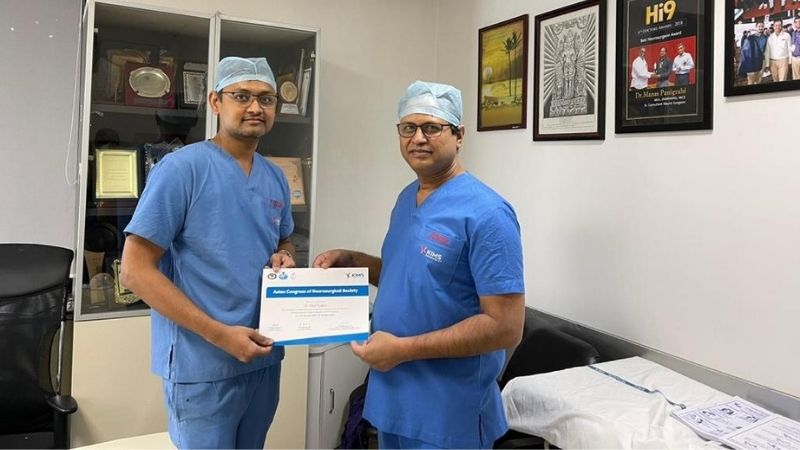
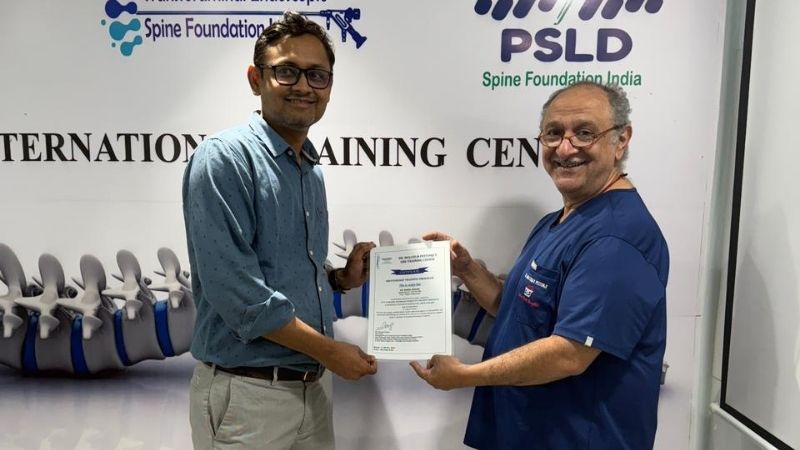
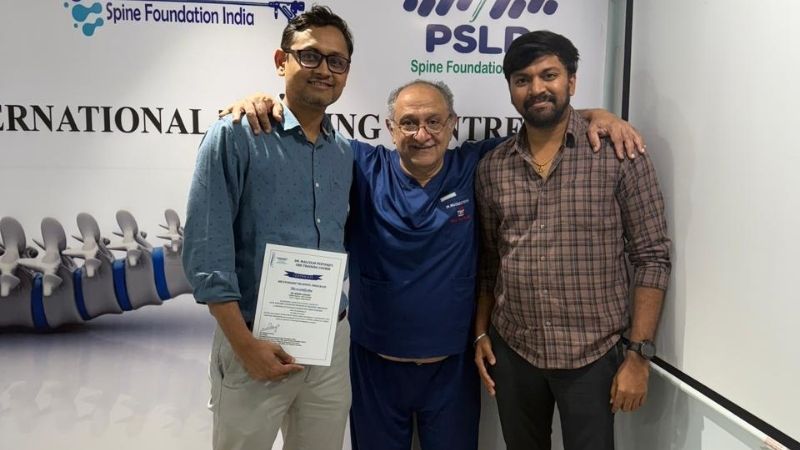
Choosing a spine surgeon requires evaluation of expertise, infrastructure, and patient outcomes. At this clinic, structured diagnosis, modern surgical techniques, and multidisciplinary coordination create reliable treatment pathways.

Moreover, emphasis on minimally invasive surgery enhances recovery comfort. Additionally, transparent communication strengthens patient trust. Instead of isolated treatment, individuals receive comprehensive spine care from consultation through rehabilitation.

Because spinal health directly influences mobility and independence, timely expert intervention safeguards long-term quality of life. Therefore, patients in Harda seeking a dependable spine surgeon benefit from evidence-based care at this super speciality clinic.

Management of Complex and Revision Spine Cases

Some spine conditions require advanced surgical planning; therefore, complex and revision cases demand higher precision. Patients who continue to experience pain after previous spine surgery need detailed reassessment rather than repeat intervention. Scar tissue formation, hardware loosening, incomplete decompression, or adjacent segment degeneration often contribute to persistent symptoms.

Because revision spine surgery involves altered anatomy, preoperative imaging becomes critical. MRI and CT scans help identify structural instability, residual nerve compression, or implant-related complications. Based on these findings, the spine surgeon designs a targeted corrective strategy.

Additionally, spinal deformities such as severe scoliosis or kyphosis require multi-level alignment correction. In such cases, restoring biomechanical balance becomes essential to prevent long-term complications.

Degenerative Spine Disorders and Age-Related Changes

Spinal degeneration develops gradually; therefore, early identification prevents functional decline. As discs lose hydration with age, they become less flexible and more prone to bulging or collapse. Consequently, patients may experience stiffness, chronic back pain, or nerve compression.

Cervical and lumbar spondylosis frequently affect middle-aged and elderly individuals. However, sedentary habits and poor posture increasingly contribute to early degeneration. Because symptoms progress slowly, many patients delay consultation until neurological signs appear.

Structured treatment includes medication, physiotherapy, and posture correction. When conservative measures fail, surgical decompression may become necessary to relieve nerve pressure.

Workplace Spine Injuries and Ergonomic Correction

Occupational strain significantly affects spinal health; therefore, ergonomic awareness becomes essential. Prolonged sitting, improper lifting techniques, and repetitive bending often trigger chronic back pain. Over time, these habits increase disc stress and muscular imbalance.

Desk workers commonly develop cervical strain due to poor monitor positioning. Similarly, manual laborers may experience lumbar injuries from improper load handling. Because work-related stress contributes to recurrence, medical treatment alone remains insufficient.

Ergonomic adjustments reduce mechanical strain. Correct chair height, lumbar support, and periodic movement breaks improve spinal alignment. Furthermore, strengthening exercises enhance muscle support and prevent reinjury.

Long-Term Spine Monitoring and Preventive Care

Spine health requires consistent follow-up; therefore, long-term monitoring ensures stability after treatment. Even after successful surgery or rehabilitation, periodic evaluation helps detect early warning signs.

During follow-up visits, the spine specialist assesses mobility, reflexes, and muscle strength. If required, imaging studies confirm structural integrity. Early detection of minor changes prevents progression into severe complications.

Preventive care includes core strengthening, weight management, and posture correction. Because excess body weight increases lumbar pressure, lifestyle modification significantly reduces recurrence risk.

Importantly, patient awareness remains central to prevention. Recognizing symptoms such as radiating pain or numbness encourages timely consultation. Through structured monitoring and proactive strategies, individuals maintain spinal function and long-term mobility.

How to Book a Consultation

To consult Dr. Nikhil Kakani or schedule an assessment at Brain Spine and Dental Super Speciality Clinic:

Call for Appointment: +91‑72761‑35101

During the first visit, patients are advised to bring relevant medical records, imaging studies, and a list of symptoms. This preparation helps the neurosurgical team evaluate conditions efficiently and plan next steps without delay.

Conclusion

Spinal disorders demand precise diagnosis, structured planning, and expert surgical execution; therefore, selecting the right spine surgeon becomes essential. At Dr. Kakani’s Brain Spine & Dental Super Speciality Clinic, patients in Harda receive comprehensive spine care supported by modern technology and clinical expertise. Through early diagnosis, minimally invasive techniques, and integrated rehabilitation, the clinic prioritizes functional recovery and long-term spinal health.

Frequently Asked Questions (FAQs)

1. When should I consult a spine surgeon in Harda ?
If back or neck pain persists beyond a few weeks, worsens progressively, or causes numbness and weakness, you should seek specialist evaluation.

2. Is spine surgery always necessary for disc problems?
Not always; initially, conservative treatments are recommended, while surgery becomes necessary only if symptoms persist or neurological deficits develop.

3. How long does recovery take after spine surgery?
Recovery varies by procedure; however, minimally invasive surgeries typically allow faster rehabilitation compared to traditional approaches.

4. Are minimally invasive spine surgeries safe?
Yes, when performed by experienced surgeons and selected appropriately, they reduce tissue damage and recovery time.

5. Can lifestyle changes prevent spine problems?
Yes, maintaining proper posture, engaging in regular exercise, and managing body weight significantly reduce spinal strain.

Connect with Dr. Nikhil Kakani Online – Stay Informed About Brain & Spine Health

Call Now Button