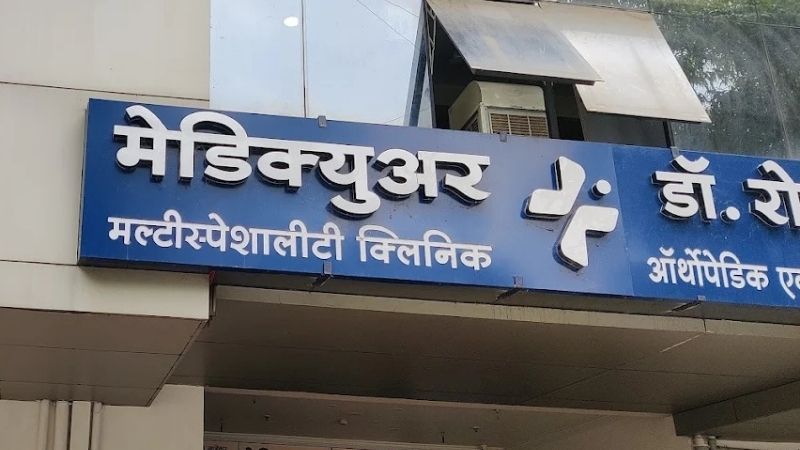
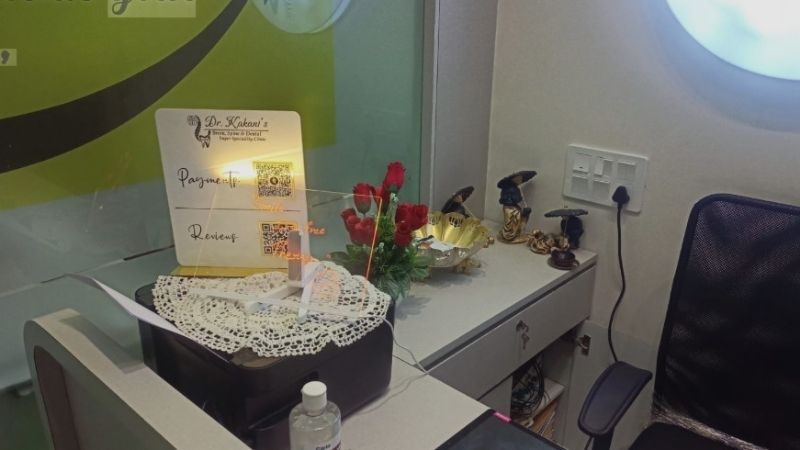
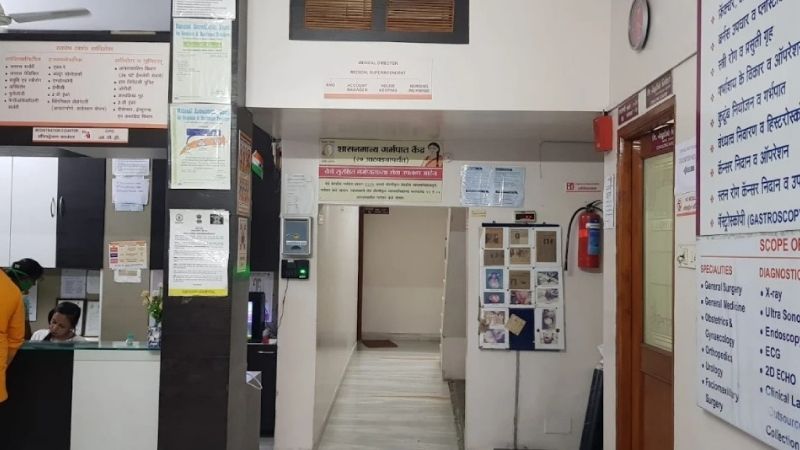
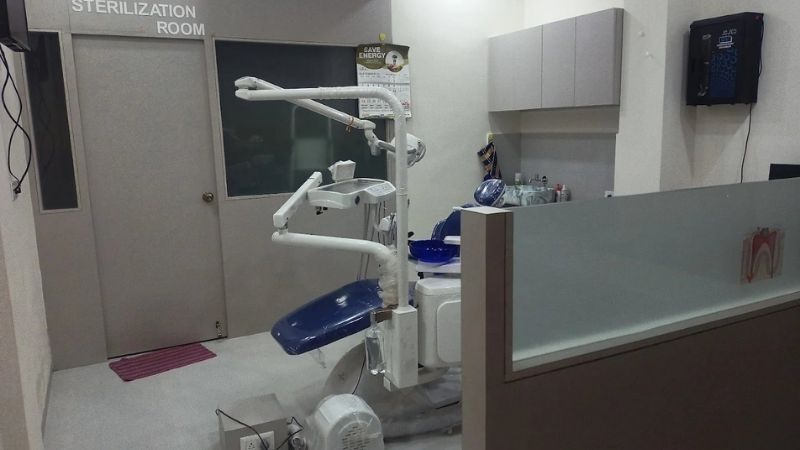
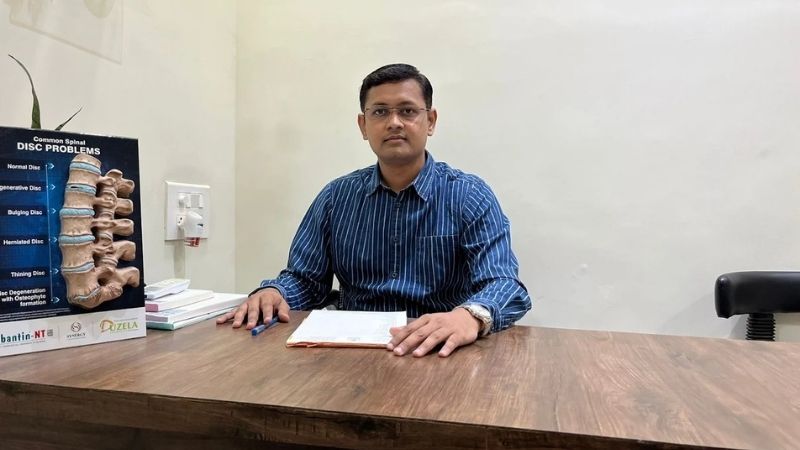
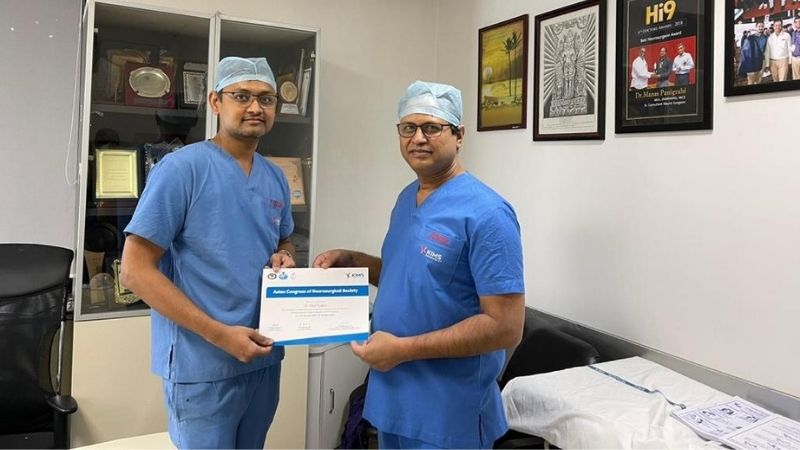
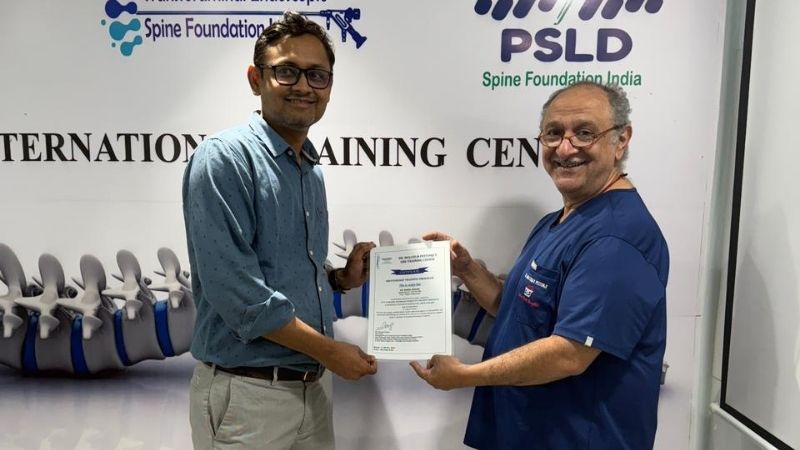
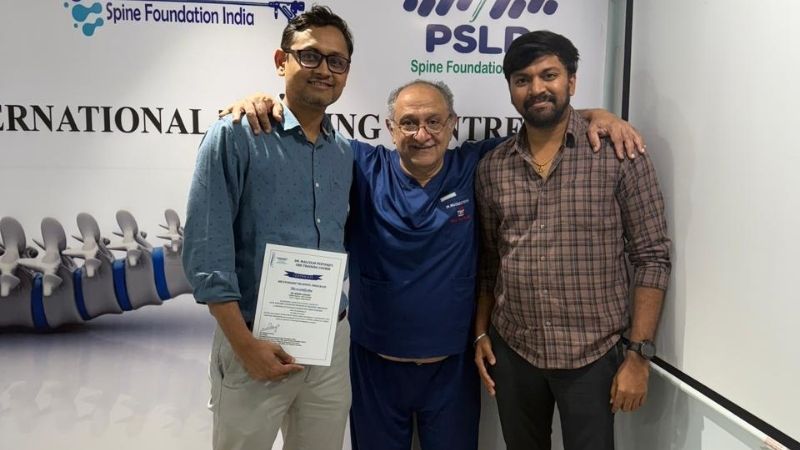
Dr. Kakani's Brain Spine and Dental Super Speciality Clinic

Neuro Specialist In Betul – Dr. Kakani’s Brain Spine & Dental Super Speciality Clinic

Neurological disorders directly affect the body’s control system; therefore, timely diagnosis and structured management remain essential. When individuals search for a Neuro Specialist In Betul, they require accurate evaluation, evidence-based treatment, and long-term neurological monitoring. At Dr. Kakani’s Brain Spine & Dental Super Speciality Clinic, patients receive comprehensive neuro care supported by advanced diagnostics and systematic treatment planning.

Because the brain, spinal cord, and peripheral nerves regulate movement, sensation, memory, coordination, and autonomic function, even subtle abnormalities may disrupt daily life. Consequently, early neurological consultation prevents progression into severe complications. Instead of focusing only on symptom relief, the clinic emphasizes identifying the underlying cause and restoring functional stability.

Neuro Specialist In Betul

Role of a Neuro Specialist

A neuro specialist evaluates, diagnoses, and manages disorders affecting the nervous system. Unlike general physicians, specialists conduct detailed neurological examinations that assess reflexes, coordination, muscle strength, cranial nerve function, and sensory perception. Since neurological deficits may present gradually, thorough evaluation becomes critical for accurate diagnosis.

Additionally, the specialist differentiates between neurological and non-neurological causes of symptoms. For example, dizziness may arise from inner ear disorders or brain-related pathology; therefore, precise assessment prevents misdiagnosis. Through structured clinical reasoning, treatment remains targeted and effective.

Moreover, a neuro specialist collaborates with radiologists, physiotherapists, and surgeons when advanced intervention becomes necessary. Integrated care ensures comprehensive management rather than isolated treatment.

Comprehensive Neuro Diagnostic Approach

Accurate diagnosis forms the foundation of neurological care; therefore, systematic investigations support clinical findings. Magnetic Resonance Imaging (MRI) provides high-resolution visualization of brain structures, spinal cord lesions, and nerve compression. Computed Tomography (CT) assists in detecting hemorrhage, fractures, and acute trauma.

In addition, electroencephalography (EEG) evaluates abnormal electrical activity in seizure disorders. Nerve conduction studies assess peripheral neuropathies by measuring electrical signal transmission along nerves. These diagnostic tools allow precise localization of pathology.

Importantly, imaging results are interpreted in correlation with patient symptoms. Not every structural abnormality requires aggressive intervention; consequently, treatment decisions prioritize functional impact and symptom severity. Through methodical evaluation, unnecessary procedures are avoided while essential care is delivered promptly.

Common Neurological Conditions Managed

Neurological disorders vary widely; therefore, individualized treatment plans remain essential. A neuro specialist in Betul commonly manages:

  • Migraine and chronic headache disorders
  • Epilepsy and seizure disorders
  • Stroke and transient ischemic attacks
  • Peripheral neuropathy
  • Parkinson’s disease
  • Multiple sclerosis
  • Vertigo and balance disorders
  • Sciatica with neurological involvement

Memory disorders

Nerve compression syndromes

Because migraine often presents with recurring throbbing headaches, structured medication and lifestyle regulation reduce frequency. Similarly, stroke requires urgent evaluation and long-term preventive therapy to avoid recurrence. Early recognition of neurological symptoms significantly improves outcomes.

Stroke Evaluation and Preventive Neurology

Stroke represents a leading cause of neurological disability; therefore, rapid intervention remains critical. Symptoms such as sudden facial drooping, arm weakness, or speech difficulty require immediate medical attention. Timely imaging differentiates ischemic from hemorrhagic stroke, guiding appropriate treatment.

Beyond emergency care, long-term stroke prevention involves blood pressure control, diabetes management, cholesterol regulation, and antiplatelet therapy. Lifestyle modification significantly reduces recurrence risk. Consequently, preventive neurology becomes as important as acute management.

Regular follow-up ensures medication adherence and monitors vascular health. Through structured risk-factor control, neurological stability improves substantially.

Headache and Migraine Management

Chronic headaches disrupt productivity; however, not all headaches indicate serious pathology. A neuro specialist differentiates tension headaches, migraines, cluster headaches, and secondary causes. Detailed history-taking identifies triggers such as stress, dehydration, hormonal fluctuation, or sleep disturbance.

Migraine management includes preventive medication, trigger avoidance, and lifestyle modification. In refractory cases, advanced therapeutic options may be considered. Structured treatment reduces attack frequency and improves quality of life.

Importantly, sudden severe headaches require imaging to exclude bleeding or mass lesions. Therefore, professional evaluation prevents mismanagement of serious conditions.

Epilepsy and Seizure Care

Seizures result from abnormal electrical discharges in the brain. While many patients respond well to medication, precise diagnosis determines treatment duration and intensity. EEG monitoring identifies seizure focus and type.

Medication adherence remains crucial for seizure control. Additionally, lifestyle guidance regarding sleep patterns, stress reduction, and safety precautions prevents complications. In drug-resistant cases, further evaluation may determine candidacy for surgical intervention.

Long-term monitoring ensures optimal seizure management and improved social functioning.

Peripheral Neuropathy and Nerve Disorders

Peripheral neuropathy often causes numbness, tingling, or burning sensations in hands and feet. Diabetes remains a major risk factor; therefore, blood sugar control becomes central to management.

Nerve conduction studies confirm diagnosis and assess severity. Treatment includes medication for nerve pain, physiotherapy, and nutritional supplementation when indicated. Early intervention prevents progression and improves comfort. Similarly, nerve compression conditions such as carpal tunnel syndrome require targeted therapy to relieve pressure and restore function.

Movement Disorders and Neurodegenerative Conditions

Parkinson’s disease and related disorders affect motor coordination. Symptoms include tremors, rigidity, and slowed movement. Although neurodegenerative diseases lack complete cure, structured medication significantly improves symptom control.

Regular follow-up allows dosage adjustment based on progression. Physiotherapy and occupational therapy enhance mobility and independence. Early diagnosis supports better functional preservation and long-term planning.

Integrated Spine and Neuro Care

Many neurological symptoms originate from spinal pathology; therefore, integrated evaluation improves diagnostic accuracy. Sciatica, cervical radiculopathy, and spinal cord compression require combined neurological and structural assessment. When conservative therapy proves insufficient, surgical consultation ensures timely decompression. Coordinated care between neuro specialist and spine surgeon enhances overall treatment outcomes. Through multidisciplinary collaboration, patients receive comprehensive care that addresses both neural and structural components.

Rehabilitation and Long-Term Monitoring

Neurological recovery often progresses gradually; therefore, structured rehabilitation becomes essential. Physiotherapy strengthens weakened muscles and restores coordination. Cognitive therapy assists memory and attention deficits when necessary.

Regular follow-up consultations monitor symptom progression and medication response. Early detection of complications allows prompt corrective action.

Patient education remains integral to long-term success. Awareness regarding symptom triggers, medication adherence, and lifestyle regulation supports sustained neurological stability.

Preventive Neurology and Lifestyle Optimization

Preventive strategies significantly reduce neurological risk. Controlling hypertension, maintaining healthy weight, avoiding tobacco, and engaging in regular exercise protect vascular and neural integrity. Adequate sleep and stress management also influence neurological health. Balanced nutrition supports brain function and nerve repair. Through proactive health management, individuals reduce susceptibility to chronic neurological disorders.

Why Choose Dr. Kakani’s Brain Spine & Dental Super Speciality Clinic?

Selecting a neuro specialist involves evaluating expertise, infrastructure, and patient-centered care. At this clinic, patients benefit from structured diagnostics, modern imaging support, ethical treatment planning, and coordinated rehabilitation services.

Individualized care plans address both immediate symptoms and long-term prevention. Transparent communication ensures informed decision-making.

Because neurological preservation remains the primary objective, every intervention prioritizes safety, precision, and functional recovery.

How to Book a Consultation

To consult Dr. Nikhil Kakani or schedule an assessment at Brain Spine and Dental Super Speciality Clinic:

Call for Appointment: +91‑72761‑35101

Visit Clinic: Ramdaspeth, Nagpur, Maharashtra, India

During the first visit, patients are advised to bring relevant medical records, imaging studies, and a list of symptoms. This preparation helps the neurosurgical team evaluate conditions efficiently and plan next steps without delay.

Conclusion

Neurological disorders require early recognition, precise diagnosis, and structured long-term care. Therefore, individuals seeking a Neuro Specialist In Betul receive comprehensive evaluation and evidence-based treatment at Dr. Kakani’s Brain Spine & Dental Super Speciality Clinic.

Through advanced diagnostics, coordinated care, rehabilitation support, and preventive strategies, patients achieve improved neurological stability and enhanced quality of life. Early consultation remains essential for protecting brain and nerve health.


Frequently Asked Questions (FAQs)

1. When should I consult a neuro specialist in Betul?
Persistent headaches, seizures, limb weakness, memory issues, numbness, or sudden neurological changes require evaluation.

2. Are all headaches neurological emergencies?
No. However, sudden severe headaches with vomiting or loss of consciousness require immediate assessment.

3. Can stroke be prevented?
Yes. Controlling blood pressure, diabetes, cholesterol, and adopting healthy lifestyle habits significantly reduces risk.

4. Is epilepsy curable?
Many patients achieve long-term seizure control with medication. Some may require advanced evaluation for surgical options.

5. How often is follow-up required?
Follow-up frequency depends on condition severity and treatment response.


Connect with Dr. Nikhil Kakani Online – Stay Informed About Brain & Spine Health

Call Now Button