Importance of Early Neurosurgical Consultation
Neurological symptoms often begin subtly; however, delayed evaluation frequently complicates outcomes. Persistent headaches, unexplained seizures, limb weakness, numbness, balance disturbances, or speech difficulty require structured neurological assessment. Although some symptoms may appear temporary, underlying structural pathology can gradually worsen.
For example, brain tumors may initially produce mild headaches; nevertheless, increasing intracranial pressure can later cause vomiting, vision changes, or seizures. Similarly, spinal cord compression may begin with intermittent tingling before progressing to motor weakness. Therefore, early neurosurgical evaluation ensures timely diagnosis and controlled intervention.
At the clinic, comprehensive neurological examination forms the foundation of care. Reflex testing, cranial nerve assessment, coordination analysis, and motor strength evaluation identify early deficits. When clinical findings suggest structural abnormalities, imaging investigations confirm diagnosis and guide management planning.
Advanced Neurodiagnostic Infrastructure
Accurate neurosurgical treatment relies on high-quality imaging and structured interpretation. Magnetic Resonance Imaging (MRI) provides detailed visualization of brain tissue, tumors, vascular malformations, and spinal cord compression. Computed Tomography (CT) assists in emergency trauma cases by rapidly detecting intracranial bleeding or skull fractures.
Moreover, contrast-enhanced studies improve detection of tumor boundaries and inflammatory lesions. Digital radiology systems ensure precise measurement of lesion size and anatomical displacement. Importantly, imaging findings are always correlated with clinical presentation. Not every abnormal scan requires surgery; therefore, treatment decisions prioritize functional impact rather than radiological appearance alone.
Through systematic diagnostic protocols, patients receive accurate identification of pathology, thereby reducing unnecessary procedures and enhancing treatment precision.
Brain Tumor Evaluation and Management
Brain tumors require careful classification; therefore, histological type, size, location, and growth rate influence management strategy. Some tumors remain benign and slow-growing, while others demonstrate aggressive progression. Consequently, individualized treatment planning becomes essential.
Surgical tumor excision aims to remove abnormal tissue while preserving healthy brain structures. Microsurgical techniques enhance visualization and reduce collateral damage. In complex cases, staged surgery or adjunct therapies such as radiotherapy may complement surgical intervention.
Postoperative monitoring ensures early detection of recurrence or complications. Regular follow-up imaging supports long-term stability. Because neurological preservation remains the primary objective, surgical planning balances tumor removal with functional safety margins.
Spine-Related Neurosurgical Disorders
Although orthopedic specialists manage many spinal conditions, neurosurgeons intervene when neurological compromise occurs. Disc herniation causing spinal cord or nerve root compression often produces radiating pain, numbness, or weakness. When conservative therapy fails, surgical decompression relieves pressure and restores nerve function.
Spinal tumors, traumatic injuries, and congenital abnormalities also require neurosurgical expertise. Stabilization procedures may involve instrumentation to maintain alignment and prevent further neural compromise. Because spinal cord tissue is highly sensitive, precise technique minimizes postoperative deficits.
Through integrated spinal and neurological care, patients receive comprehensive management rather than fragmented treatment.
Traumatic Brain Injury and Emergency Neurosurgery
Head trauma constitutes a significant neurosurgical emergency; therefore, rapid evaluation determines survival and long-term neurological outcome. Road traffic accidents, falls, or sports injuries may result in intracranial hemorrhage, skull fracture, or brain swelling.
Immediate CT imaging identifies bleeding patterns such as epidural or subdural hematomas. When intracranial pressure rises dangerously, emergency decompressive surgery relieves compression and prevents irreversible brain damage.
Postoperative intensive monitoring tracks neurological response, oxygenation status, and hemodynamic stability. Early rehabilitation further enhances recovery potential. Because timely intervention significantly influences prognosis, emergency preparedness remains a cornerstone of neurosurgical practice.
Epilepsy and Seizure Disorder Management
Seizures originate from abnormal electrical activity within the brain; therefore, accurate diagnosis distinguishes medical from surgical cases. Most epilepsy patients respond to medication; however, refractory epilepsy may require surgical evaluation.
Pre-surgical assessment includes imaging, electroencephalography (EEG), and functional mapping. When a localized seizure focus is identified, surgical removal may significantly reduce seizure frequency. Careful planning ensures preservation of language and motor centers.
Long-term follow-up monitors seizure control and medication adjustment. Through structured evaluation, selected patients achieve improved quality of life and functional independence.
Hydrocephalus and Cerebrospinal Fluid Disorders
Hydrocephalus involves abnormal accumulation of cerebrospinal fluid (CSF); consequently, increased intracranial pressure can impair brain function. Symptoms include headache, vomiting, gait disturbance, and cognitive changes.
Surgical management typically involves shunt placement or endoscopic third ventriculostomy to restore fluid balance. Because shunt systems require ongoing monitoring, periodic follow-up ensures functionality and prevents blockage or infection.
Early detection and treatment preserve neurological function and prevent long-term complications.
Minimally Invasive Neurosurgical Techniques
Modern neurosurgery emphasizes minimal tissue disruption. Endoscopic and microsurgical approaches reduce incision size and shorten hospital stay. Because delicate neural structures demand precision, magnification systems enhance visualization and control.
Smaller surgical corridors reduce postoperative pain and accelerate rehabilitation. Additionally, reduced blood loss and infection risk improve overall safety profiles. However, patient selection remains critical; therefore, surgeons evaluate anatomical feasibility before recommending minimally invasive procedures.
Postoperative Rehabilitation and Neuro-Recovery
Neurosurgical intervention represents only one stage of treatment. Structured rehabilitation determines long-term neurological recovery. Depending on the condition, patients may require physiotherapy, occupational therapy, speech therapy, or cognitive training.
Gradual mobility exercises restore strength and coordination. Meanwhile, neuroplasticity-based rehabilitation encourages the brain to reorganize functional pathways. Regular assessment tracks progress and adjusts therapy intensity accordingly.
Family education also supports recovery. Clear guidance regarding medication adherence, wound care, and symptom monitoring reduces complication risk. Through integrated rehabilitation, patients regain independence and functional capacity.
Ethical Practice and Patient-Centered Communication
Neurosurgical decisions significantly impact life quality; therefore, transparency remains essential. Before recommending surgery, detailed counseling explains diagnosis, treatment alternatives, potential risks, and realistic expectations.
Patients and families receive opportunity to ask questions and understand procedural details. Because informed consent ensures shared decision-making, treatment plans align with patient priorities and clinical necessity. Financial transparency and clear documentation further strengthen trust. Through ethical practice standards, care remains patient-focused and accountable.
Preventive Neurological Health Awareness
Although not all neurological disorders are preventable, lifestyle modifications reduce risk factors. Blood pressure control lowers stroke risk, while helmet use prevents head injury during two-wheeler travel. Balanced nutrition supports vascular health, and regular exercise enhances cerebral circulation.
Additionally, avoiding tobacco and excessive alcohol reduces vascular and neurological complications. Early management of diabetes also protects nerve integrity. Awareness campaigns and patient education encourage proactive healthcare behavior. Consequently, community-level prevention reduces long-term neurological burden.
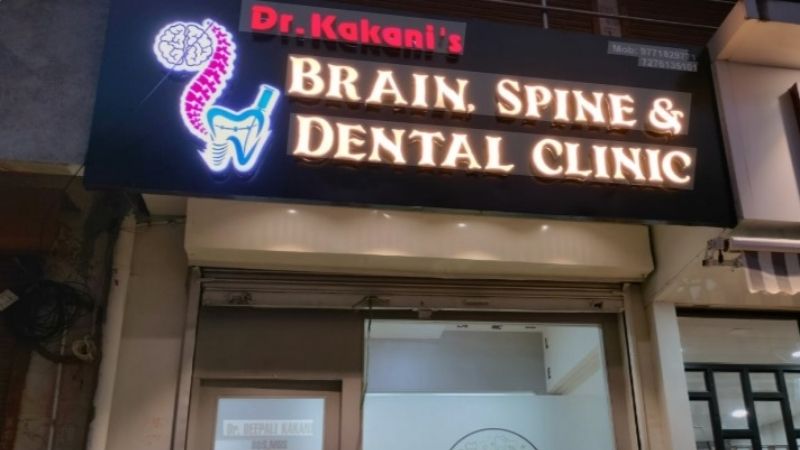
Why Choose Dr. Kakani’s Brain Spine & Dental Super Speciality Clinic?
Choosing a neurosurgeon involves evaluating expertise, infrastructure, and continuity of care. At this clinic, patients benefit from structured diagnostics, precision-based surgical planning, and integrated rehabilitation support.
Advanced imaging technology, microsurgical equipment, and multidisciplinary collaboration enhance treatment reliability. Moreover, individualized care plans ensure that each patient receives targeted intervention based on condition severity and functional goals.
Because neurological preservation remains the central objective, clinical decisions prioritize safety, precision, and long-term stability.
How to Book a Consultation
Conclusion
Neurological disorders require precision, structured diagnosis, and expert surgical intervention. Therefore, individuals seeking a Neurosurgeon In Betul benefit from comprehensive care at Dr. Kakani’s Brain Spine & Dental Super Speciality Clinic.
Through advanced imaging, minimally invasive techniques, ethical practice, and integrated rehabilitation, the clinic prioritizes neurological preservation and functional recovery. Early consultation remains essential for preventing complications and ensuring long-term brain and spinal health.
Frequently Asked Questions (FAQs)
1. When should I consult a neurosurgeon in Betul?
Persistent severe headaches, seizures, limb weakness, sensory loss, or symptoms following head injury warrant immediate neurological evaluation.
2. Is brain surgery always necessary for tumors?
No. Treatment depends on tumor type, size, and growth pattern. Some cases require observation or adjunct therapy rather than surgery.
3. How long does recovery take after neurosurgery?
Recovery varies by procedure and patient health. Structured rehabilitation significantly influences overall outcome.
4. Are neurosurgical procedures safe?
When performed with modern techniques and proper planning, neurosurgery maintains high safety standards.
5. What symptoms indicate emergency neurological care?
Sudden unconsciousness, paralysis, severe head trauma, uncontrolled seizures, or loss of speech require urgent medical attention.
Connect with Dr. Nikhil Kakani Online – Stay Informed About Brain & Spine Health