Neuro Specialist In Balaghat – Expert Brain, Nerve & Neurological Care
Headaches, dizziness, numbness, seizures, memory concerns, and nerve-related symptoms can affect your daily life in many ways. Therefore, consulting a Neuro Specialist In Balaghat can help you understand your symptoms and explore suitable care options. A neuro specialist evaluates your medical history, symptoms, neurological function, and available reports before suggesting the next step.
In addition, neurological symptoms can have many possible causes. For example, a headache may develop from several different factors, while numbness can involve nerves, the spine, or other health conditions. However, you should not assume the cause without proper evaluation. As a result, professional neurological assessment can help you understand your condition more clearly.
Neuro Specialist In Balaghat
What Does A Neuro Specialist Do?
A neuro specialist evaluates conditions that affect the brain, nerves, spinal cord, and nervous system. Therefore, patients may seek neurological care for headaches, migraine, seizures, dizziness, numbness, tingling, nerve pain, movement problems, and memory concerns.
Furthermore, a neuro specialist looks at your symptoms as a complete pattern rather than focusing on one complaint alone. The doctor may review your medical history, medications, physical symptoms, neurological examination, and previous diagnostic reports.
In addition, the specialist may recommend specific tests when they can provide useful information. This approach can help create a treatment plan that matches your individual condition.
Why Consult A Neuro Specialist In Balaghat?
Neurological symptoms can sometimes appear gradually, while other symptoms can develop suddenly. Therefore, persistent or unexplained neurological concerns deserve appropriate medical attention.
A Neuro Specialist In Balaghat can assess symptoms that involve the brain, nerves, movement, balance, sensation, memory, or coordination.
You may consider a neurological consultation if you experience:
- Frequent or persistent headaches
- Migraine symptoms
- Repeated dizziness
- Balance problems
- Seizures or unusual episodes
- Numbness or tingling
- Burning or nerve-related pain
- Muscle weakness
- Tremors
- Memory or concentration concerns
- Sleep-related neurological concerns
- Changes in coordination
- Persistent symptoms after an illness or injury
sudden neurological symptoms can require emergency care. Therefore, seek immediate medical attention when symptoms appear suddenly or become severe.
Common Neurological Conditions
The nervous system controls movement, sensation, communication, memory, coordination, and many other body functions. Consequently, neurological conditions can produce very different symptoms.
A neuro specialist may evaluate conditions such as:
- Migraine
- Headache disorders
- Epilepsy and seizures
- Peripheral nerve problems
- Neuropathy
- Dizziness and balance disorders
- Tremors
- Movement-related conditions
- Memory concerns
- Certain sleep-related neurological problems
- Nerve compression symptoms
- Selected neurological disorders
In addition, symptoms can overlap between different conditions. Therefore, your doctor should evaluate the complete clinical picture before identifying the likely cause.
Dizziness And Balance Problems
Dizziness can make you feel unsteady, light-headed, or as though your surroundings are moving. In addition, balance problems can affect walking and confidence during everyday activities.
Several conditions can contribute to dizziness. Therefore, a neuro specialist may assess your symptoms, neurological function, balance, medical history, and other relevant factors.
If your dizziness occurs with weakness, speech difficulty, severe headache, fainting, or sudden vision changes, seek urgent medical attention rather than waiting for a routine consultation.
Neuro Specialist In Balaghat
Advanced Evaluation For Brain And Spine Problems
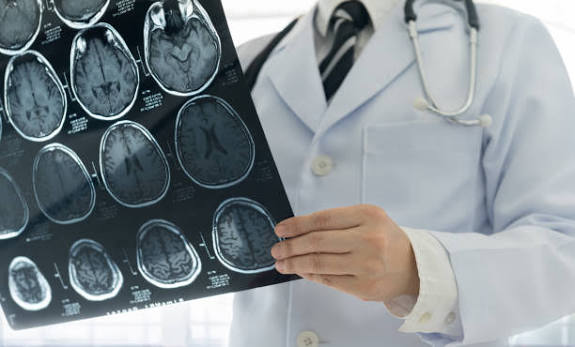
A careful diagnosis forms the foundation of effective neurosurgical care. The neurosurgeon may begin with a detailed discussion about your symptoms and medical history. Next, the doctor can perform a neurological examination and review relevant reports. Depending on the clinical findings, the doctor may recommend imaging such as MRI or CT scans. Meanwhile, previous reports can help provide additional information about the progression of a condition. As a result, the specialist can develop a clearer understanding of the patient’s problem.
Personalized Treatment Plans
Every patient has different symptoms, medical needs, and recovery goals. Therefore—avoiding the word you requested—the treatment approach should never follow a fixed formula. Instead, the neurosurgeon considers the diagnosis, severity, age, overall health, imaging findings, and individual circumstances. Furthermore, the doctor may discuss both surgical and non-surgical options when appropriate. This approach helps patients understand why a particular treatment may suit their condition.
Seizures And Epilepsy
Seizures can cause unusual movements, changes in awareness, temporary confusion, or other neurological symptoms. Therefore, repeated or unexplained seizure-like episodes deserve professional evaluation.
A neuro specialist may ask about what happened before, during, and after the episode. In addition, the doctor may review medical history and recommend tests such as EEG or brain imaging when appropriate.
one episode does not automatically confirm epilepsy. Therefore, proper neurological assessment remains important before making a diagnosis or starting long-term treatment.
Neuro Specialist In Balaghat
Stroke Symptoms And Emergency Care
Stroke symptoms can develop suddenly and require immediate medical attention. Therefore, do not wait for a routine appointment if someone suddenly develops neurological changes.
Important warning signs can include:
- Sudden weakness or numbness
- Sudden difficulty speaking
- Sudden confusion
- Sudden vision problems
- Sudden difficulty walking
- Sudden loss of balance
- A sudden severe headache
As a result, rapid emergency evaluation can become critical when stroke symptoms appear. Contact emergency medical services or reach the nearest emergency department immediately.
Neuro Specialist In Balaghat
How Does A Neuro Specialist Diagnose Neurological Problems?
Your evaluation usually begins with a detailed discussion about your symptoms. First, the doctor may ask when your symptoms started, how often they occur, what triggers them, and how they affect your daily life.
Next, the specialist may perform a neurological examination. This assessment can include movement, strength, reflexes, sensation, coordination, balance, and other neurological functions.
In addition, the doctor may review previous reports and recommend further tests when necessary. Therefore, combining your symptoms, examination findings, and relevant investigations can provide a clearer clinical picture.
Neuro Specialist In Balaghat
Non-Surgical Neurological Treatment
Many neurological conditions can receive medical or non-surgical management. Therefore, treatment may focus on controlling symptoms, managing the underlying condition, reducing complications, and supporting daily function.
Depending on your diagnosis, treatment may include:
- Prescribed medicines
- Lifestyle changes
- Sleep improvement
- Physiotherapy
- Neurological rehabilitation
- Activity adjustments
- Follow-up monitoring
- Condition-specific therapy
- Referral to another specialist when appropriate
In addition, your doctor can monitor your response and modify the treatment plan when your symptoms change.
Neuro Specialist In Balaghat
Book An Appointment With A Neuro Specialist In Balaghat
Persistent headaches, dizziness, numbness, seizures, nerve pain, memory concerns, or movement problems can affect your everyday life. Therefore, professional neurological evaluation can help you understand your symptoms and explore appropriate care.
If your neurological symptoms continue, return frequently, or interfere with daily activities, consider consulting a Neuro Specialist In Balaghat for an appropriate evaluation.
In addition, bring your previous medical reports and explain your symptoms clearly during your consultation. This information can help your specialist understand your concerns more effectively.
Book An Appointment
Frequently Asked Questions
Connect with Dr. Nikhil Kakani Online – Stay Informed About Brain & Spine Health