Spine Doctor In Chhindwara
The Spine pain can gradually change the way you work, sleep, walk, exercise, and enjoy your daily routine. For example, lower back pain may start after physical strain, while neck discomfort may develop from posture, disc problems, or age-related changes. For this reason, persistent symptoms deserve a proper medical evaluation rather than repeated self-treatment. A Spine Doctor In Chhindwara can assess your symptoms, understand your medical history, and guide you toward an appropriate treatment approach.
During your visit, the doctor may examine your spinal movement, posture, muscle strength, sensation, and reflexes. In addition, the doctor may review previous X-rays, MRI scans, CT scans, or other reports. Depending on your symptoms, further investigations may help identify disc problems, nerve irritation, spinal narrowing, injuries, or other causes of pain.
Spine Doctor In Chhindwara
What Is A Spine Doctor?
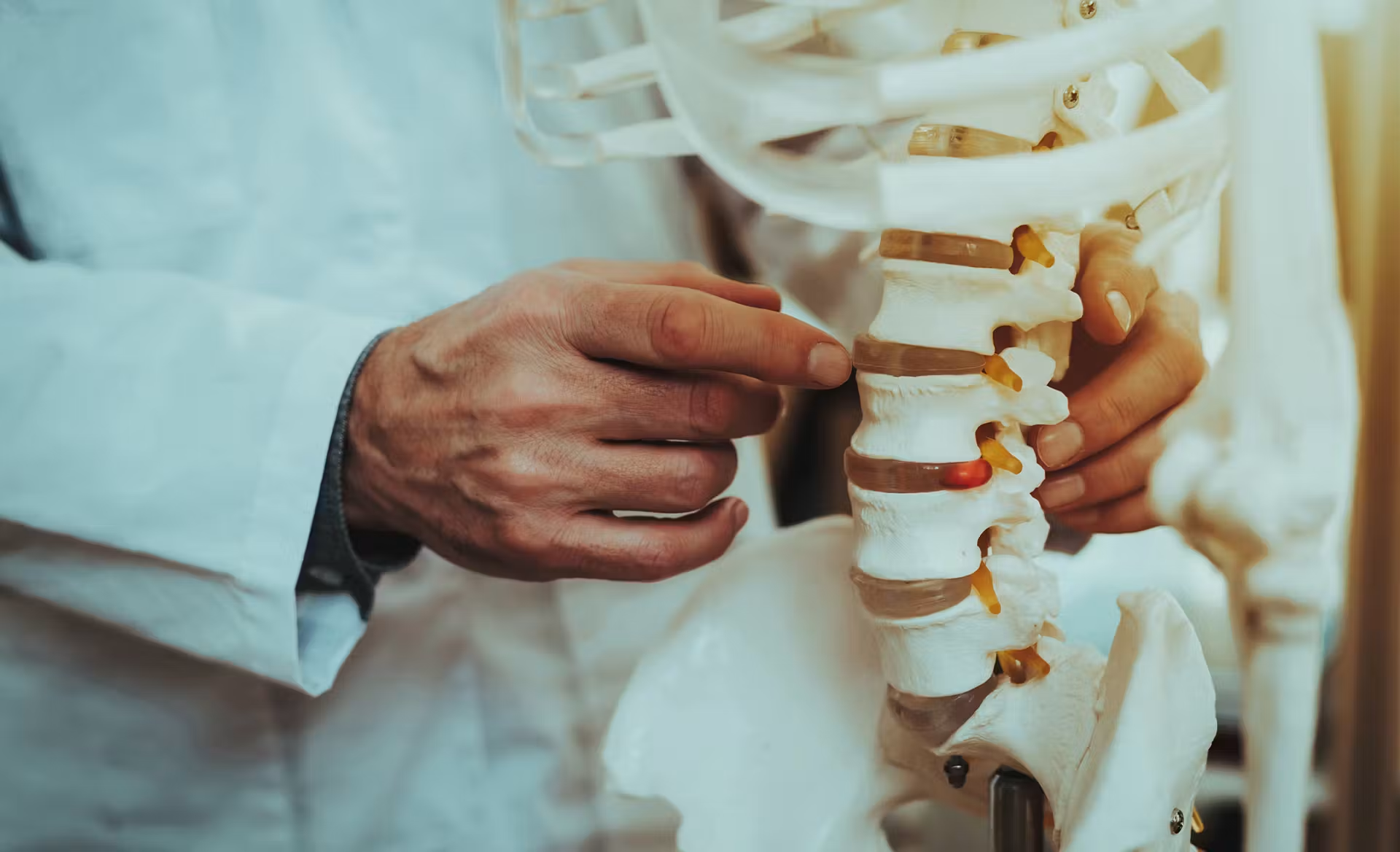
A spine doctor focuses on conditions that affect the spine, discs, nerves, and related structures. However, spine care does not always involve surgery. Many patients can manage certain conditions through medication, physiotherapy, exercise, posture improvement, and lifestyle changes.
When symptoms remain troublesome despite appropriate treatment, the doctor can discuss additional options. Therefore, a consultation helps you understand your condition before you consider any major treatment decision.
Why Visit A Spine Doctor In Chhindwara?
Back and neck pain can have several possible causes. For example, muscle strain may produce temporary discomfort, while a disc problem can irritate a nearby nerve and cause pain that travels into an arm or leg. Similarly, spinal narrowing can affect walking and mobility.
A Spine Doctor In Chhindwara can evaluate these differences and recommend care according to your symptoms. In addition, early assessment can help you understand which activities you should continue, modify, or avoid during recovery.
Common Spine Conditions
A spine doctor can evaluate many problems involving the back, neck, discs, and nerves. These conditions may include:
- Lower back pain
- Neck pain
- Slipped disc
- Herniated disc
- Sciatica
- Spinal stenosis
- Cervical disc problems
- Lumbar disc problems
- Nerve compression
- Spondylosis
- Degenerative disc conditions
- Spinal injuries
- Vertebral fractures
- Spinal deformities
- Certain spinal tumors
Each condition can produce different symptoms. Therefore, your doctor should assess the underlying problem before recommending treatment.
Lower Back Pain
Lower back pain can interfere with simple activities such as sitting, standing, bending, lifting, or walking. For example, muscle strain may improve with appropriate rest and movement, while disc-related pain may continue or spread toward the leg.
If your pain continues or repeatedly returns, consider a professional evaluation. A spine doctor can examine your symptoms and identify factors that may contribute to the problem. Depending on the findings, treatment may include exercise, physiotherapy, medication, posture correction, or further investigation.
Spine Doctor In Chhindwara
Neck Pain
Neck pain can affect your ability to work comfortably, use a computer, drive, or sleep. In some cases, the discomfort can extend toward the shoulder, arm, or hand.
For this reason, persistent neck pain with numbness, tingling, or weakness deserves medical attention. A Spine Doctor In Chhindwara can assess your cervical spine and neurological symptoms. Depending on the diagnosis, the doctor may recommend conservative treatment or discuss advanced options when necessary.
Slipped Disc And Herniated Disc
Spinal discs provide cushioning between the vertebrae. Sometimes, changes in a disc can irritate nearby nerves and produce pain, tingling, numbness, or weakness. A lumbar disc problem, for example, may cause symptoms that travel down the leg.
Treatment depends on the severity of symptoms and neurological findings. In many cases, doctors begin with non-surgical care. However, significant or persistent nerve problems may require additional evaluation.
Sciatica
Sciatica can cause pain that travels from the lower back through the buttock and into the leg. You may also experience burning, tingling, numbness, or weakness.
Therefore, rather than treating the pain alone, your doctor should identify the reason behind the nerve irritation. A spine doctor can evaluate your symptoms and determine whether a disc problem, spinal narrowing, or another condition contributes to the discomfort.
Spine Doctor In Chhindwara
Spinal Stenosis
A Spinal stenosis involves narrowing around the spinal nerves or spinal canal. As the available space decreases, some people develop pain, numbness, weakness, or difficulty walking.
Symptoms can vary considerably. For example, some people notice greater discomfort while standing or walking, while others experience symptoms during different activities. Your doctor can review your examination and imaging findings before suggesting an appropriate treatment plan.
Spine Doctor In Chhindwara
Nerve Compression
A compressed spinal nerve can cause symptoms away from the actual source of the problem. For example, a cervical nerve problem may cause symptoms in the shoulder, arm, or hand. Similarly, lumbar nerve irritation may affect the buttock, leg, or foot.
During your examination, the doctor may assess sensation, strength, reflexes, and movement. In addition, imaging can help identify the location of the compression. This information can guide the next treatment step.
Spine Doctor In Chhindwara
Spondylosis
Spondylosis describes age-related changes that can affect the discs, joints, and vertebrae. These changes may contribute to stiffness, pain, or reduced movement. However, some people have these changes without significant symptoms.
For this reason, doctors should consider your symptoms alongside imaging findings. Depending on your condition, treatment may involve physical activity, physiotherapy, medication, ergonomic changes, and regular monitoring.
Spine Doctor In Chhindwara
Book An Appointment With A Spine Doctor In Chhindwara
Do not let recurring back or neck pain become a normal part of your daily life. If pain, numbness, tingling, weakness, or mobility problems continue, consider a professional spine evaluation.
Book an appointment with a Spine Doctor In Chhindwara to discuss your symptoms, diagnostic reports, treatment choices, and recovery goals. A timely consultation can help you understand your condition and take a practical step toward better spine health.
Book An Appointment
Frequently Asked Questions
Connect with Dr. Nikhil Kakani Online – Stay Informed About Brain & Spine Health