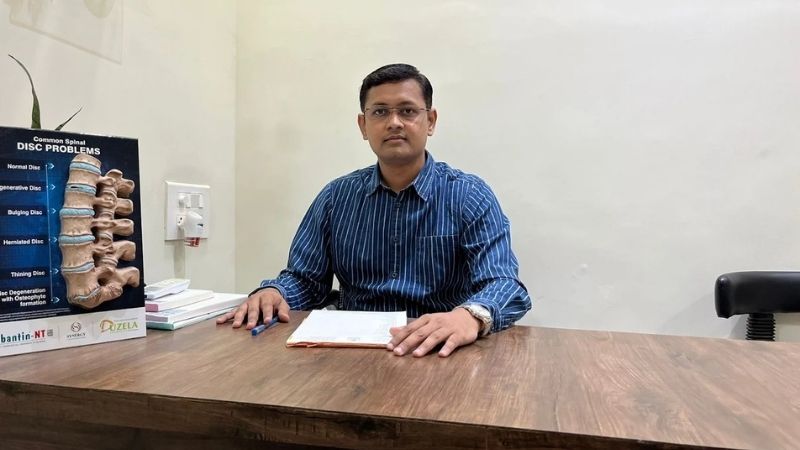
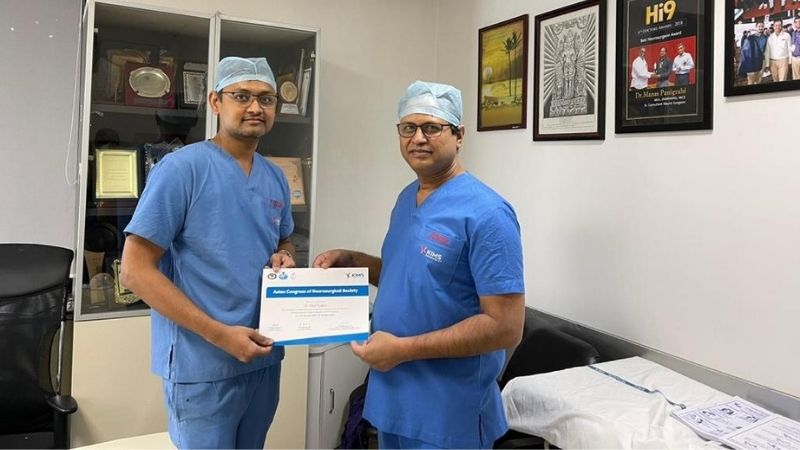
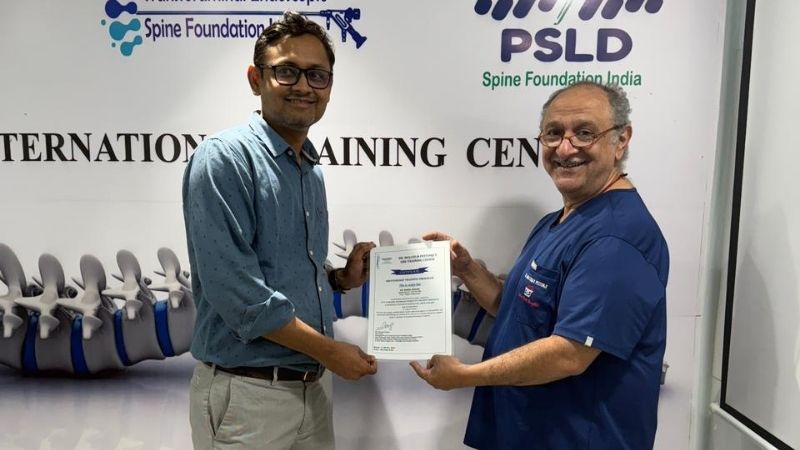
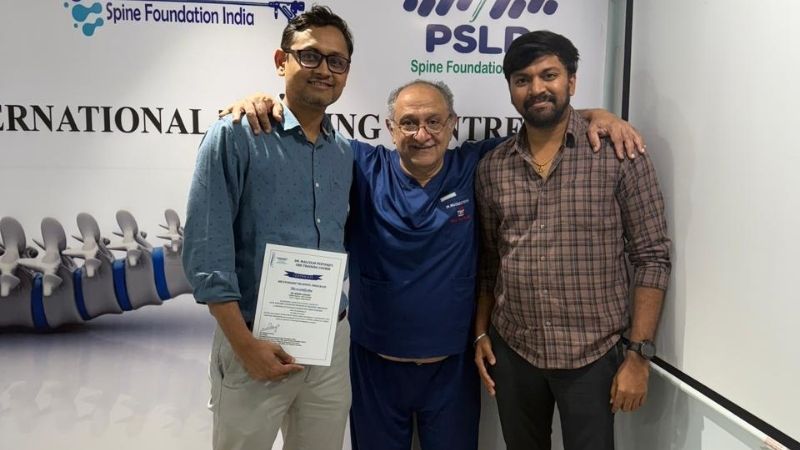
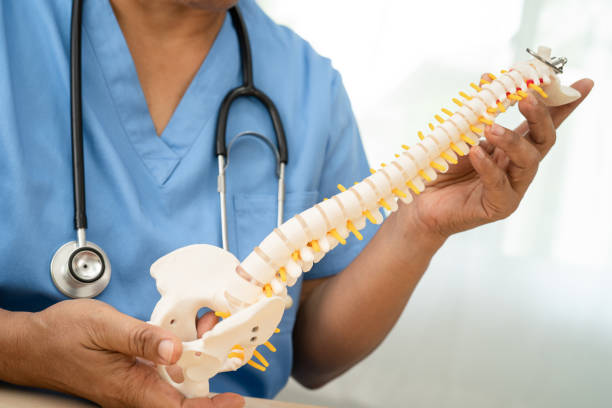
Spine Surgeon In Chhindwara
Persistent back or neck pain can affect your work, sleep, movement, and overall quality of life. For example, a slipped disc, nerve compression, spinal stenosis, spinal injury, or age-related changes can cause ongoing discomfort. For this reason, people searching for a Spine Surgeon In Chhindwara should consider a proper evaluation when symptoms continue or interfere with daily activities.
During your consultation, a spine surgeon can review your symptoms, medical history, previous treatments, and diagnostic reports. In addition, the surgeon may recommend X-rays, MRI scans, CT scans, or other tests when necessary. This evaluation helps identify the source of your symptoms and determines whether conservative treatment, an advanced procedure, or surgery may suit your condition.
Spine Surgeon In Chhindwara
What Does A Spine Surgeon Do?
A spine surgeon evaluates and treats conditions that affect the spine, spinal discs, nerves, and surrounding structures. However, seeing a spine surgeon does not automatically mean that you need an operation. In many cases, specialists first consider medication, physiotherapy, exercise, lifestyle changes, or other non-surgical options.
When symptoms continue despite appropriate conservative care, surgery may become an option. Therefore, a spine surgeon can explain the available treatments, expected benefits, potential risks, and recovery requirements before recommending any procedure.
Why Consult A Spine Surgeon In Chhindwara?
Back and neck symptoms can have different causes, so accurate evaluation matters. For example, pain that travels from your lower back into your leg may involve nerve irritation, while persistent neck pain with hand numbness may involve cervical nerve compression.
A Spine Surgeon In Chhindwara can assess these symptoms and determine whether they require surgical attention. In addition, the specialist can discuss non-surgical options when surgery does not provide the best first step. This approach helps you make an informed decision based on your actual condition.
Conditions Treated By A Spine Surgeon
Spine surgeons can manage a wide range of spinal conditions. Depending on the diagnosis, treatment may address:
- Herniated or slipped discs
- Sciatica
- Spinal stenosis
- Cervical disc problems
- Lumbar disc problems
- Nerve compression
- Spondylosis
- Spinal fractures
- Spine injuries
- Spinal deformities
- Degenerative spine conditions
- Spinal tumors
- Persistent back pain
- Persistent neck pain
- Certain spinal cord conditions
Each condition requires individual assessment. Therefore, your surgeon can recommend treatment according to your symptoms, imaging findings, medical history, and overall health.
Lower Back Pain And Spine Problems
The Lower back pain can develop because of muscle strain, disc problems, spinal degeneration, nerve compression, injury, or other conditions. Sometimes, simple changes in activity and posture can improve mild symptoms. However, persistent or severe pain may require professional evaluation.
A spine specialist can examine your movement and neurological function while reviewing your medical history. Depending on the findings, the treatment plan may include physiotherapy, medication, exercise, activity modification, or further specialist care.
Spine Surgeon In Chhindwara
Neck Pain And Cervical Spine Conditions
A Neck pain can make working, sleeping, driving, and everyday movement uncomfortable. In some cases, cervical disc problems can also cause pain, tingling, numbness, or weakness in the shoulder, arm, or hand.
For this reason, recurring neck symptoms deserve proper attention. A Spine Surgeon In Chhindwara can evaluate your symptoms and determine whether they relate to the cervical spine or another condition. Depending on the diagnosis, the doctor may recommend conservative treatment or discuss surgical options when appropriate.
Slip Disc And Herniated Disc
A slipped or herniated disc can irritate nearby nerves and produce pain, numbness, tingling, or weakness. For example, a lumbar disc problem may cause pain that travels from the lower back into the leg.
Treatment depends on the severity of symptoms and the underlying cause. In many cases, doctors initially recommend non-surgical treatment. However, persistent nerve compression, worsening weakness, or other serious symptoms may require surgical evaluation.
Sciatica Treatment
Sciatica commonly causes pain that travels from the lower back through the buttock and into the leg. The symptoms may also include tingling, numbness, or weakness. Therefore, identifying the cause of nerve irritation remains important.
A spine surgeon can evaluate whether a herniated disc, spinal narrowing, or another condition contributes to your symptoms. Depending on your diagnosis, treatment may include medication, physiotherapy, exercises, activity modification, or surgery when necessary.
Spine Surgeon In Chhindwara
Spinal Stenosis
A Spinal stenosis occurs when the space around the spinal nerves becomes narrower. This narrowing can put pressure on nerves and cause pain, numbness, weakness, or difficulty walking.
Some people notice worse symptoms while standing or walking for extended periods. However, symptoms can vary significantly between patients. A spine surgeon can review your examination and imaging findings before recommending conservative treatment, injections, or surgical intervention.
Spine Surgeon In Chhindwara
Nerve Compression In The Spine
The Spinal nerve compression can affect different areas depending on the location of the problem. For example, cervical nerve compression can cause arm or hand symptoms, while lumbar nerve compression can cause leg or foot symptoms.
During your evaluation, the surgeon may check muscle strength, sensation, reflexes, and movement. In addition, imaging can help identify the location and severity of nerve compression. Based on these findings, the surgeon can recommend an appropriate treatment plan.
Spine Surgeon In Chhindwara
Spondylosis And Degenerative Spine Conditions
An Spinal structures can change naturally with age. These changes can affect discs, joints, and vertebrae and may contribute to stiffness or discomfort. Nevertheless, imaging findings do not always explain the severity of symptoms.
For this reason, doctors consider both clinical symptoms and diagnostic reports. Depending on your condition, treatment may include exercise, physiotherapy, medication, posture correction, activity modification, or further intervention.
Spine Surgeon In Chhindwara
Book An Appointment With A Spine Surgeon In Chhindwara
Do not allow persistent back or neck pain to control your everyday life. If you experience ongoing pain, numbness, tingling, weakness, difficulty walking, or recurring spine-related symptoms, consider scheduling a professional evaluation.
Book an appointment with a Spine Surgeon In Chhindwara to discuss your symptoms, diagnosis, treatment options, and recovery goals. A timely consultation can help you understand your condition and choose the next step in your spine care.
Book An Appointment
Frequently Asked Questions
Connect with Dr. Nikhil Kakani Online – Stay Informed About Brain & Spine Health