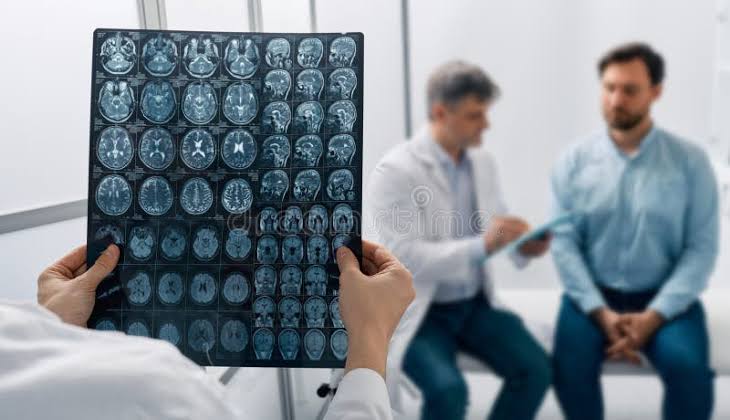
Neuro Specialist In Seoni – Expert Brain & Nerve Care
Headaches, dizziness, numbness, seizures, memory problems, and unusual changes in movement can affect your everyday life. Therefore, consulting a qualified Neuro Specialist In Seoni can help you understand your symptoms and identify the right next step. A neuro specialist evaluates your neurological health by considering your symptoms, medical history, physical examination, and relevant diagnostic reports.
In addition, neurological symptoms can have many different causes. For example, a recurring headache may have a different cause than dizziness, nerve pain, or memory changes. As a result, proper evaluation can help your doctor understand your condition instead of relying only on symptoms.
Neuro Specialist In Seoni
What Is A Neuro Specialist?
A neuro specialist focuses on conditions that affect the brain, nerves, spinal cord, and nervous system. However, neurological care does not always involve surgery. Many patients can manage their symptoms through medicines, lifestyle changes, physiotherapy, rehabilitation, or regular monitoring.
During a consultation, the specialist may assess your muscle strength, reflexes, coordination, balance, sensation, memory, and other neurological functions. In addition, the doctor may recommend tests such as MRI, CT, EEG, or nerve studies when necessary.
Why Consult A Neuro Specialist In Seoni?
Neurological symptoms can interfere with work, sleep, movement, communication, and daily activities. Therefore, you should consider professional evaluation when symptoms persist, become more frequent, or affect your normal routine.
A Neuro Specialist In Seoni can evaluate different neurological concerns and explain possible treatment options. Moreover, the specialist can help determine whether your symptoms need medication, further testing, rehabilitation, monitoring, or another form of care.
You may consider a consultation if you experience:
- Frequent or persistent headaches
- Migraine symptoms
- Dizziness or balance problems
- Seizures
- Numbness or tingling
- Nerve pain
- Muscle weakness
- Memory problems
- Tremors
- Sleep-related neurological concerns
- Changes in speech or movement
- Recurrent unexplained symptoms
Common Neurological Conditions
The nervous system controls many important functions throughout the body. Consequently, neurological problems can produce symptoms that affect movement, sensation, memory, balance, and communication.
A neuro specialist may evaluate conditions such as:
- Migraine
- Chronic headaches
- Epilepsy and seizures
- Neuropathy
- Nerve pain
- Dizziness and balance disorders
- Tremors
- Memory-related concerns
- Movement disorders
- Stroke-related neurological problems
- Parkinsonian symptoms
- Multiple sclerosis
- Certain nerve and muscle disorders
similar symptoms can occur with different conditions. Therefore, professional diagnosis remains important before starting long-term treatment.
Nerve Pain And Neuropathy
Nerve-related pain may feel burning, shooting, electric, or prickling. Furthermore, some patients may experience reduced sensation or increased sensitivity.
Neuropathy can develop for different reasons, so treatment depends on the underlying cause. Therefore, a specialist may review your medical history, symptoms, medications, and relevant investigations before recommending treatment.
In addition, managing the underlying cause can form an important part of long-term neurological care.
Neuro Specialist In Seoni
Stroke And Neurological Symptoms
Stroke can cause sudden changes in brain function. For example, a person may suddenly develop facial weakness, arm weakness, speech difficulty, vision problems, severe imbalance, or confusion.
Therefore, suspected stroke requires immediate emergency medical care rather than waiting for a routine appointment.
After emergency treatment, a neuro specialist can help with neurological evaluation, risk-factor management, rehabilitation, and follow-up care according to the patient’s needs.
How Does A Neuro Specialist Diagnose Neurological Problems?
Diagnosis starts with a detailed discussion about your symptoms. First, the specialist may ask when your symptoms started, how often they occur, and whether they have changed over time.
Next, the doctor may perform a neurological examination. This examination can assess strength, reflexes, sensation, coordination, balance, movement, speech, memory, and other functions.
If necessary, the specialist may recommend additional tests. As a result, these findings can help the doctor understand your condition more clearly.
Non-Surgical Neurological Treatment
Many neurological conditions do not require surgery. Therefore, doctors often manage appropriate conditions with medicines, lifestyle changes, rehabilitation, physiotherapy, monitoring, or other non-surgical approaches.
Treatment may include:
- Prescribed medicines
- Physiotherapy
- Neurological rehabilitation
- Lifestyle modifications
- Sleep and activity guidance
- Pain-management strategies
- Regular follow-up
- Monitoring of neurological symptoms
treatment depends on the underlying diagnosis. Therefore, avoid starting or stopping neurological medicines without professional guidance.
Neuro Specialist In Seoni
Lifestyle And Neurological Health
Healthy daily habits can support overall brain and nervous system health. For example, regular physical activity, adequate sleep, balanced nutrition, stress management, and avoiding tobacco can contribute to general wellbeing.
In addition, following prescribed treatment and attending follow-up appointments can help you manage long-term neurological conditions.
, lifestyle changes cannot replace medical care when symptoms indicate a serious neurological problem. Therefore, combine healthy habits with appropriate professional guidance.
Neuro Specialist In Seoni
When Should You See A Neuro Specialist?
You should consider a neurological consultation when symptoms persist, return frequently, worsen over time, or interfere with daily activities.
A specialist evaluation may help when you experience:
- Frequent headaches
- Recurrent migraine symptoms
- Unexplained dizziness
- Repeated seizures
- Persistent numbness
- Tingling sensations
- Burning or shooting nerve pain
- Muscle weakness
- Tremors
- Memory or concentration changes
- Walking or balance difficulties
- Changes in speech or movement
As a result, timely evaluation can help identify the cause and guide suitable care.
Neuro Specialist In Seoni
Emergency Neurological Symptoms
Some neurological symptoms require immediate emergency care. For instance, sudden facial drooping, weakness on one side of the body, speech difficulty, sudden confusion, severe imbalance, or sudden vision changes can indicate a stroke.
Similarly, a sudden severe headache, seizure, loss of consciousness, or serious symptoms after a head injury may require urgent assessment.
Therefore, do not wait for a routine consultation when serious neurological symptoms appear suddenly. Seek emergency medical care immediately.
Neuro Specialist In Seoni
Book An Appointment With A Neuro Specialist In Seoni
If headaches, dizziness, seizures, numbness, nerve pain, memory problems, or other neurological symptoms affect your daily life, consider seeking professional medical guidance.
A Neuro Specialist In Seoni can evaluate your symptoms, review relevant reports, recommend appropriate investigations when necessary, and explain suitable treatment options.
Therefore, do not ignore persistent or worsening neurological symptoms.
Book An Appointment
Frequently Asked Questions
Connect with Dr. Nikhil Kakani Online – Stay Informed About Brain & Spine Health