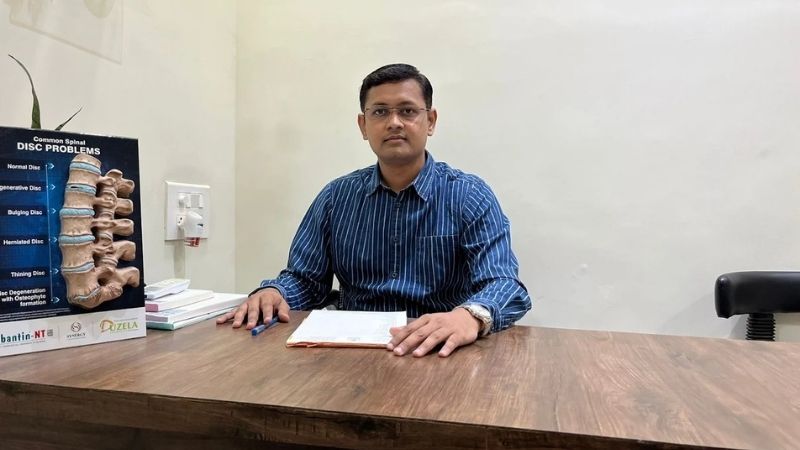
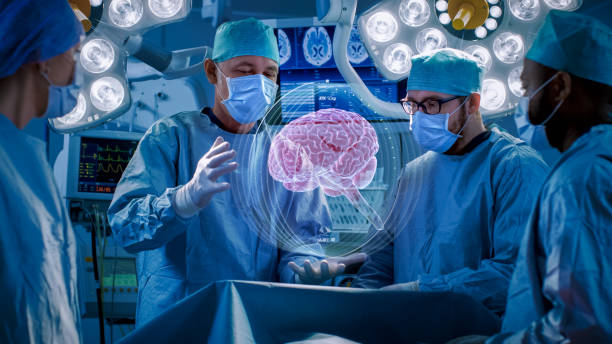
Neurosurgeon In Rewa
Brain, spine, and nerve-related problems can affect your movement, memory, balance, communication, and everyday independence. For example, severe headaches, seizures, weakness, numbness, or changes in coordination can feel confusing and worrying. For this reason, people searching for a Neurosurgeon In Rewa should seek a proper neurological and neurosurgical evaluation before choosing treatment. An experienced neurosurgeon can review your symptoms, medical history, neurological findings, and diagnostic reports. This can help you understand the possible cause of your symptoms and discuss suitable treatment options with greater clarity.
Neurosurgeon In Rewa
Neurosurgery And Treatment Options
Neurosurgery does not always mean an operation. In many cases, neurological conditions need careful observation, medicines, rehabilitation, or other non-surgical treatment. A neurosurgeon first determines whether surgery can provide meaningful benefit. At the same time, modern neurosurgical care may include minimally invasive procedures, advanced imaging, microsurgical techniques, and structured postoperative rehabilitation for selected patients. Since every case differs, your treatment plan should reflect your diagnosis, health, symptoms, and personal recovery goals.
What Does A Neurosurgeon Treat?
A neurosurgeon treats selected conditions involving the brain, spinal cord, nerves, and related structures. These conditions may include traumatic injuries, tumors, nerve compression, spinal disorders, and certain blood-vessel conditions. For example, a neurosurgeon may evaluate:
- Brain tumors
- Spinal tumors
- Head injuries
- Brain and spinal trauma
- Herniated discs
- Spinal stenosis
- Nerve compression
- Hydrocephalus
- Certain vascular brain conditions
- Spinal deformities
- Selected seizure-related surgical conditions
- Complex neurological problems requiring surgery
When necessary, neurosurgeons also work with neurologists, radiologists, oncologists, physiotherapists, and other specialists. This coordinated approach can support patients who require multidisciplinary care.
Why Consult A Neurosurgeon In Rewa?
Persistent neurological symptoms deserve professional attention, especially when they affect normal activities. For example, weakness, numbness, balance problems, seizures, or persistent severe headaches can have different causes. A neurosurgical consultation can help determine whether your condition requires specialized treatment. During the consultation, your specialist can review your medical history, neurological examination, and imaging reports. The doctor can also explain non-surgical and surgical options when appropriate. With this information, you can make a better-informed decision about your neurological care.
Common Conditions Evaluated By A Neurosurgeon
Neurosurgeons manage a wide range of conditions affecting the brain, spine, and nervous system. Because symptoms can overlap between different disorders, accurate diagnosis remains important. For example, a specialist may evaluate:
- Brain tumors
- Brain cysts
- Hydrocephalus
- Traumatic brain injuries
- Spinal cord conditions
- Herniated discs
- Spinal stenosis
- Nerve compression
- Spinal fractures
- Spinal tumors
- Certain vascular abnormalities
- Selected seizure disorders
- Complex spine conditions
When your condition requires broader neurological care, your neurosurgeon can coordinate with other specialists.
Neurosurgeon In Rewa
Symptoms That May Need Neurosurgical Evaluation
Neurological symptoms can appear suddenly or develop gradually. In some cases, symptoms require prompt medical attention because they may indicate a serious neurological problem. Consider specialist evaluation if you experience:
- Persistent or severe headaches
- Repeated seizures
- Unexplained weakness
- Numbness or tingling
- Difficulty walking
- Balance problems
- Changes in coordination
- Persistent back or neck pain with neurological symptoms
- Vision or speech changes
- Loss of bladder or bowel control with spinal symptoms
If neurological changes appear suddenly, seek urgent medical evaluation. Do not delay emergency care when symptoms become severe.
Brain Tumor Treatment
Brain tumors can affect different areas of the brain and produce different symptoms. For example, headaches, seizures, weakness, speech changes, or vision problems can occur depending on the tumor’s location and size. Suspected brain tumors require detailed neurological assessment and appropriate imaging. A neurosurgeon may discuss observation, surgery, biopsy, radiation, medicines, or multidisciplinary treatment depending on the diagnosis. During treatment planning, the doctor considers tumor characteristics and the patient’s overall health. This approach allows patients to receive care tailored to their individual condition.
Spine And Nerve Conditions
Neurosurgeons can also evaluate selected spinal conditions involving the spinal cord or nerves. For example, disc herniation, spinal stenosis, fractures, tumors, and other structural problems can cause pain, weakness, numbness, or difficulty walking. Your specialist may recommend neurological examination and imaging when necessary. Depending on the condition, treatment can range from conservative care to surgery for selected cases. Rehabilitation can also support recovery after treatment. Early evaluation can help identify the most appropriate treatment pathway.
Neurosurgeon In Rewa
Herniated Disc And Nerve Compression
A herniated disc can press against a nearby nerve and produce pain, tingling, numbness, or weakness. Depending on the affected nerve, symptoms can involve the neck, back, arms, legs, or feet. A neurosurgeon may review MRI findings and neurological examination results when symptoms persist. In many cases, patients improve with conservative care. However, significant or progressive neurological problems may require surgical consideration. Treatment should depend on the severity of nerve compression and its effect on daily function.
Neurosurgeon In Rewa
Spinal Stenosis Treatment
Spinal stenosis occurs when narrowing reduces the available space around spinal nerves or the spinal cord. Common contributing factors include age-related changes, arthritis, disc problems, and bone growth. Patients may experience back pain, leg pain, numbness, weakness, or difficulty walking. Your specialist may use imaging to understand the location and severity of the narrowing. For mild cases, conservative treatment may help. In selected situations, patients with persistent neurological symptoms may require decompression surgery.
Neurosurgeon In Rewa
Head Injury And Brain Trauma
Head injuries can range from mild trauma to serious brain injuries that require specialized care. For example, falls, road accidents, sports injuries, and other impacts can affect the brain or skull. Significant head trauma requires prompt medical evaluation. A neurosurgical assessment may include neurological examination and imaging such as CT scans when clinically necessary. During recovery, doctors monitor symptoms and neurological changes. Early assessment can help identify injuries that require urgent or specialized treatment.
Neurosurgeon In Rewa
Book An Appointment With A Neurosurgeon In Rewa
Brain, spine, and nerve-related symptoms can affect your everyday life and independence. For this reason, timely evaluation can help identify the underlying problem and clarify your treatment options. If you are searching for a Neurosurgeon In Rewa, schedule a consultation with an experienced neurosurgical specialist for a detailed assessment.
Before your visit, bring previous MRI or CT reports, X-rays, prescriptions, discharge summaries, and other medical records when available. Your neurosurgeon can review your history and explain the next appropriate step.
Book An Appointment
Frequently Asked Questions
Connect with Dr. Nikhil Kakani Online – Stay Informed About Brain & Spine Health